RismadarVoice Reporters
October 15, 2026
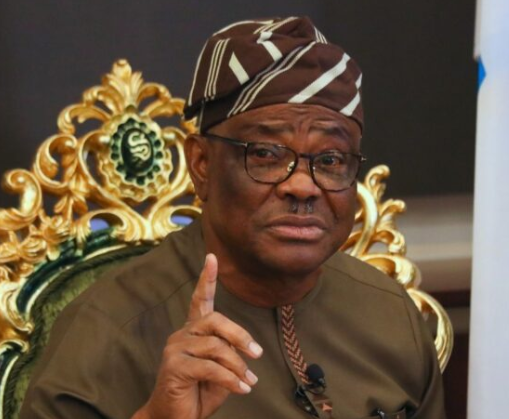
Minister of the Federal Capital Territory, Nyesom Wike, has urged Nigerians to assess political candidates on competence, integrity and performance rather than ethnic considerations or promises of political inclusion ahead of the 2027 general elections.
Wike made the call on Thursday while delivering a keynote address at the inaugural Idoma Hall of Fame Induction, held in Abuja as part of the Idoma Centenary Plus celebration.
Speaking on the theme, “People, Politics and Power Play in Nigeria: The Agitation for Equity and Fairness,” the minister criticised politicians who exploit ethnic grievances and public dissatisfaction to advance their political ambitions.
He argued that Nigeria’s pursuit of equity and fairness should extend beyond the distribution of political offices among ethnic groups and regions to the actual benefits citizens receive from governance.
According to Wike, replacing one group of political officeholders with another would not necessarily address inequality if the structures responsible for exclusion and poor governance remained unchanged.
He maintained that genuine fairness required Nigerians to oppose injustice consistently, regardless of whether those affected belonged to their ethnic or political groups.

The minister also warned against treating public office as an opportunity for personal enrichment or sectional advantage, insisting that leadership should be measured by service delivery and accountability.
Addressing the federal character principle, Wike acknowledged its constitutional importance in promoting national unity and ensuring representation across Nigeria’s diverse communities.
He, however, argued that efforts to achieve balanced representation should not undermine the qualifications and capabilities required for effective public administration.
“A Nigerian should not be excluded from public office because of where he or she comes from; neither should competence become irrelevant once a candidate’s identity satisfies a representational expectation,” he said.
Wike further maintained that political inclusion should produce measurable improvements in citizens’ living conditions rather than merely provide prominent appointments to individuals from particular communities.
He identified employment opportunities, education, healthcare, electricity, security, infrastructure and economic development as important indicators of meaningful governance.
According to him, the appointment of a political leader from a particular community would offer limited benefits if residents continued to experience unemployment, inadequate infrastructure and poor access to essential services.
The FCT minister also examined Nigeria’s existing political arrangements, including federalism, state creation, revenue allocation, zoning and rotational presidency.
He acknowledged that these mechanisms were intended to accommodate the country’s diversity but argued that their existence alone could not guarantee justice or equitable development.

Wike called for a political culture in which public officials are held accountable for their decisions, nd citizens evaluate leaders according to their records and the outcomes of their policies.
He urged political stakeholders to place national development and the common good above sectional interests, maintaining that Nigeria’s diversity should strengthen national unity rather than become a source of division.
His remarks come as political parties and prospective candidates intensify consultations and preparations ahead of the 2027 general elections.