RismadarVoice Reporters
September 25, 2026
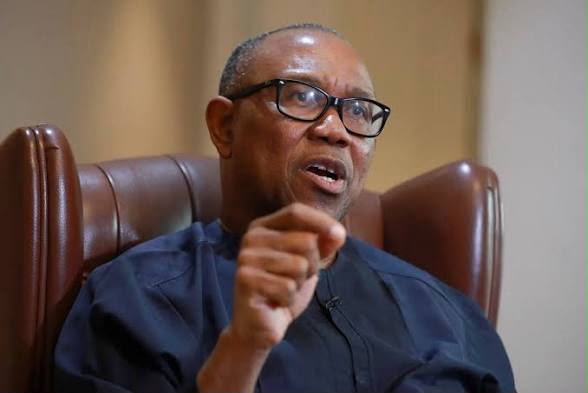
Former Anambra State Governor and Nigeria Democratic Congress presidential candidate, Peter Obi, has rejected claims that his administration left the state with about $123 million in external debt, maintaining that he handed over more than $150 million in funds when he left office in 2014.
Obi clarified during an interview on Thursday while responding to the ongoing dispute over the financial position of Anambra State at the end of his eight-year administration.
The Anambra State Government had said Obi’s administration was associated with eight external loan facilities with a combined contracted value of about $123.77 million. The state government said some of the obligations remain outstanding and are still being serviced.
Obi disputed the presentation of the figures, arguing that the facilities should not be treated in the manner portrayed by the state government.
He maintained that he did not approach any financial institution to borrow money or issue bonds on behalf of Anambra State during his tenure.
According to the former governor, his administration left office without owing salaries, gratuities or pensions due for payment by the state government.

He also said contractors and suppliers whose jobs had been completed, certified and verified were not owed when he handed over in March 2014.
Obi further argued that some of the World Bank and International Fund for Agricultural Development facilities being attributed to his administration were concessionary development financing obtained by the Federal Government and made available to qualifying states for specific projects.
He said Anambra’s foreign debt position stood at about $18 million when he assumed office and was about $30 million around the end of his administration.
Obi maintained that, irrespective of the disputed debt figure, his administration left more than $150 million in funds and investments.
He argued that if the funds had remained invested and their proceeds applied towards servicing outstanding obligations, the state could have cleared the liabilities while retaining substantial capital.
The former governor also referred to his handover documents, saying they contained records of the naira, investments, cash and foreign currency holdings transferred to the succeeding administration.
He urged interested parties to independently verify the records with the relevant banks, the World Bank and other institutions.
However, the Anambra State Government has maintained that external facilities linked to projects undertaken during Obi’s tenure remained on the state’s books after he left office.
State officials have said repayments on some of the facilities are still being deducted from Anambra’s allocations, arguing that federally guaranteed or concessionary development financing remains a financial obligation requiring repayment.
The government has put the outstanding balance of the eight external facilities at about $92.35 million, or approximately ₦127.4 billion, as of June 30, 2026.
Obi, however, maintained that the description of his administration as having left $123 million in debt did not accurately represent Anambra’s financial position when he handed over.

He also denied having a personal dispute with Governor Chukwuma Soludo, saying his focus was on national issues and the economic challenges confronting Nigerians.
Obi called on governors to allow candidates from different political parties to campaign freely ahead of the 2027 elections and allow voters to determine their preferred representatives at the polls.
The disagreement between Obi and the Anambra State Government centres partly on how the state’s external development facilities, amounts contracted or allocated, actual drawdowns and outstanding liabilities at the time of his departure should be characterised. Both sides have cited financial records in support of their respective positions.