RismadarVoice Reporters
September 17, 2026
The Economic and Financial Crimes Commission has urged graduating cadets of the Nigeria Police Academy to take ownership of Nigeria’s anti-corruption fight, warning that failure to confront corruption could deepen economic hardship, unemployment and insecurity and jeopardise the country’s future.
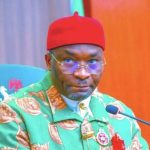
EFCC Chairman Ola Olukoyede gave the charge while delivering a lecture to cadets of Regular Course 8 of the academy on the role of the Nigeria Police Force in combating corruption.
Represented by the Acting Zonal Director of the EFCC’s Kano Zonal Directorate, Friday S. Ebelo, Olukoyede described corruption as an existential challenge and said law-enforcement officers must take responsibility for confronting it.
He said the Nigeria Police Force occupies a critical position in the country’s anti-corruption framework because of its extensive presence and direct interaction with communities across Nigeria.
According to him, while the EFCC has responsibilities covering the investigation and prosecution of economic and financial crimes, asset recovery and prevention, police officers frequently serve as the first line of defence against criminal activity.
Olukoyede told the cadets that officers seeking to combat corruption must themselves remain above reproach.
He warned that corruption within law enforcement extends beyond extortion and could include compromising investigations, falsifying police diaries and interfering with the administration of justice for financial or personal benefit.
Citing Section 104 of the Nigeria Police Act 2020 and the Police Code of Conduct, the EFCC chairman said corrupt practices constitute serious misconduct that could result in dismissal and criminal prosecution.

‘CORRUPTION COULD CRIPPLE NIGERIA’S FUTURE’
Olukoyede warned that failure to defeat corruption could stall economic growth, worsen unemployment, weaken Nigeria’s security architecture and compromise opportunities for future generations.
He contrasted those consequences with what he described as the potential benefits of significantly reducing corruption, including stronger international confidence in Nigeria, increased foreign direct investment and improved socio-economic conditions.
The EFCC chairman said the consequences extend beyond the loss of public funds, arguing that corruption weakens institutions and reduces the ability of government to deliver development and security.
He also highlighted the commission’s approach to financial crimes, including investigation, prosecution, prevention, asset tracing and recovery.
According to Olukoyede, the EFCC has recovered assets ranging from real estate to local and foreign currencies and gold, with recovered public assets returned to government through applicable legal processes.
He urged the graduating cadets to apply their professional training responsibly, protect human rights, place public service above personal interests and resist ethical compromises throughout their careers.
Olukoyede concluded by challenging the officers to determine what they were prepared to contribute to the anti-corruption campaign, reiterating his warning that “if we do not kill corruption, corruption will kill us.”