RismadarVoice Reporters
September 8, 2026
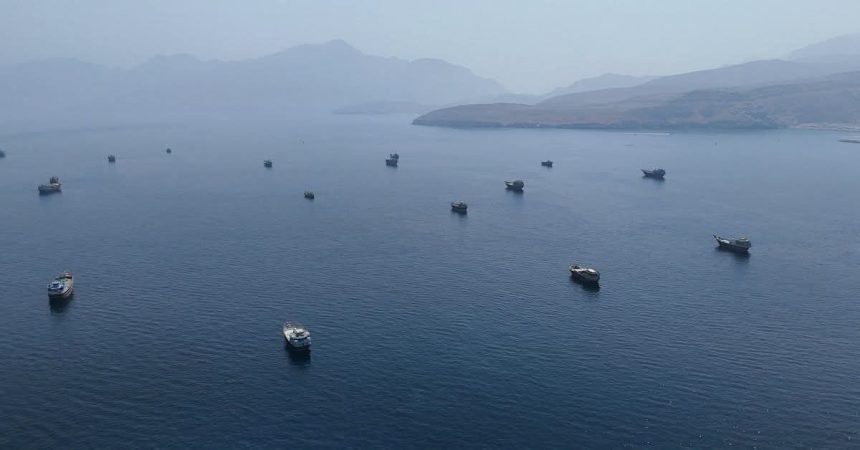
Shipping activity through the Strait of Hormuz has slowed after Iran warned it could retaliate against any further United States attacks, raising concerns over possible disruptions to one of the world’s most important energy routes.
Data from maritime analytics firm Kpler showed that seven commodity vessels passed through the Strait of Hormuz on Monday, compared with eight the previous day.

Iran had earlier warned that energy infrastructure across the Gulf region, including US oil and gas interests, could become targets if further attacks were carried out against the country.
The Strait of Hormuz, located between Iran and Oman, is a key passage for global oil and gas shipments, with a significant share of the world’s energy supplies transported through the waterway.
Meanwhile, investment bank Goldman Sachs raised its forecasts for Brent and West Texas Intermediate crude oil prices for December 2026 and 2027, citing expectations that Middle East shipping disruptions could continue into next year.
While traffic through the Strait of Hormuz declined, vessel movement through the Bab el-Mandeb Strait increased. Kpler data showed that 29 commodity vessels passed through the Red Sea passage on Monday, up from 17 the previous day.

Analysts noted that some vessels may be travelling through the waterways with their tracking transponders switched off, meaning actual traffic levels could differ from reported figures.
The developments come amid heightened tensions in the Middle East following threats from Iran of further action in response to US military operations.