RismadarVoice Reporters
September 5, 2026
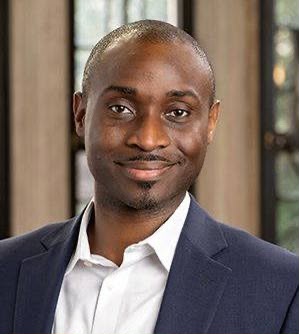
The United States Mission in Nigeria has welcomed Dr Cajetan Iheka, a professor of English at Yale University, following his arrival in the country for a Fulbright academic programme at the University of Lagos (UNILAG).
The mission announced this in a post on X on Saturday, stating that Iheka commenced a 10-month Fulbright appointment at UNILAG on August 20.
According to the mission, the Yale professor, who has Nigerian roots, will focus on supporting early-career academics and postgraduate students during his stay at the university.

“At UNILAG, he will lead seminars and training for early-career faculty and postgraduate students,” the mission said.
It added that Iheka would also participate in course development, contribute to the redesign of graduate curricula and mentor academic staff through teaching and publishing workshops.
Iheka currently serves as Director of Yale’s Whitney Humanities Centre, Chair of the Council on African Studies and Head of the Yale Africa Initiative. He is also the Editor-in-Chief of the African Studies Review.
The US Mission said more than 1,200 Fulbright scholars had participated in academic programmes across Nigeria since 1960, with many going on to occupy leadership positions in government, public and private institutions, as well as international organisations.
The Fulbright programme is the United States government’s flagship international academic exchange initiative.

Iheka’s academic interests include African and Caribbean literature, ecocriticism, ecomedia, postcolonial literature and world literature.
He has authored or edited seven books, including Naturalising Africa: Ecological Violence, Agency, and Postcolonial Resistance in African Literature and African Ecomedia: Network Forms, Planetary Politics.
He has also edited Teaching Postcolonial Environmental Literature and Media and co-edited African Migration Narratives: Politics, Race, and Space and Intellectual Traditions of African Literature, 1960–2015.