RismadarVoice Reporters
September 3, 2026
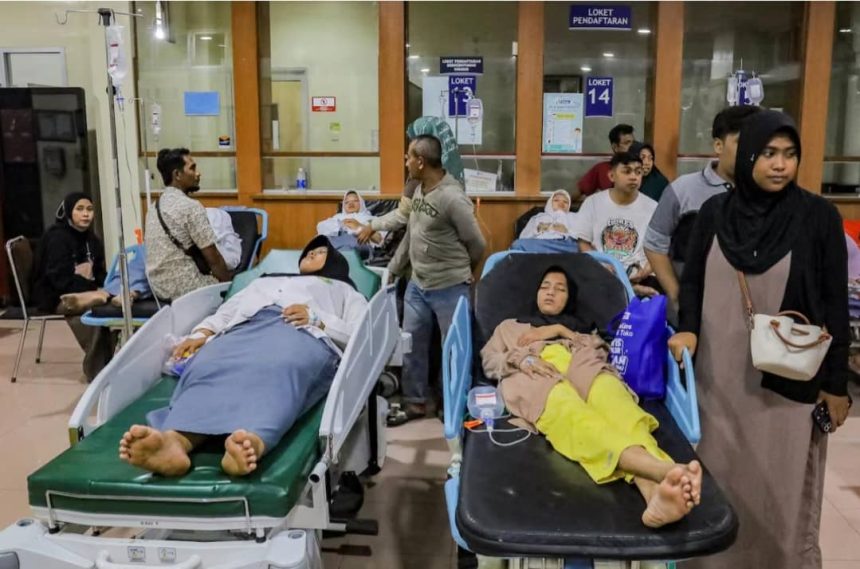
More than 1,700 students and teachers in Indonesia have fallen ill within three days after consuming meals provided under the government’s free school feeding programme, following a series of suspected food poisoning incidents across several regions.
In the latest incident, 777 students and teachers at a senior high school in Lasem, Central Java, were affected after eating government-provided meals on Wednesday, according to the school principal, Juhartutik.
She said 752 students and 25 teachers experienced symptoms including diarrhoea and vomiting after consuming the meals. The affected students had been served grilled chicken, with some portions reportedly found to be in poor condition before distribution.

Juhartutik said a food taster noticed that some of the chicken was “slimy” before it was served, adding that the affected portions were removed. She explained that the food had been prepared at about 3 a.m. and consumed around noon.
Local doctor Joko Paryanto said 15 students and teachers were admitted to hospital for treatment, while most of the affected individuals were allowed to return home.
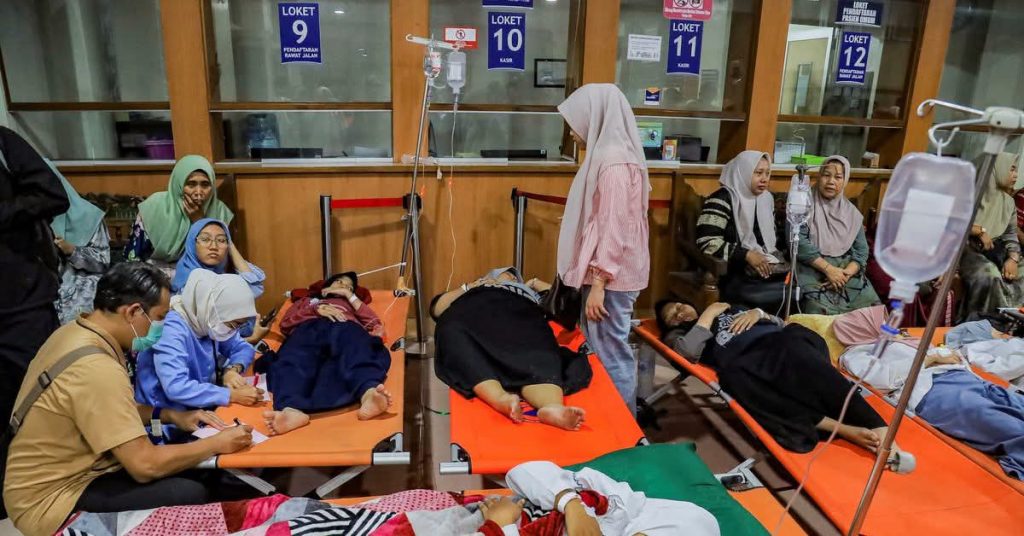
The latest outbreak follows another incident in Sidoarjo, East Java, where 664 students reportedly became ill after consuming meals supplied through the programme. Authorities suspended the kitchen linked to that case.
Additional food poisoning cases were also reported in Nganjuk, East Java, where 49 people were affected, and in Agam, West Sumatra, where 237 people fell sick, according to lawmaker Charles Honoris, who cited health department data.
Honoris said the incidents were not isolated cases, describing them as a failure of the system. He added that health department records showed about 50,000 people had been affected by food poisoning cases linked to the programme as of September 1.
The multibillion-dollar free meal initiative was launched by President Prabowo Subianto last year as part of efforts to improve nutrition among millions of children across Indonesia.

However, the programme has faced criticism over repeated food safety incidents, allegations of corruption, leadership changes and operational challenges. Officials have previously identified improper food storage and delays in meal delivery as common factors contributing to outbreaks.
The head of Indonesia’s National Nutrition Agency, Sudaryono, which oversees the programme, told a parliamentary hearing that the government would handle the latest food poisoning cases seriously.
A survey conducted in July by Saiful Mujani Research and Consulting found that only about one-third of respondents were satisfied with the programme, with food poisoning incidents cited as one of the major concerns affecting public confidence.
Authorities continue investigations into the causes of the latest outbreaks and measures to strengthen food safety standards within the school meal programme.