

RismadarVoice Reporters
September 2, 2026
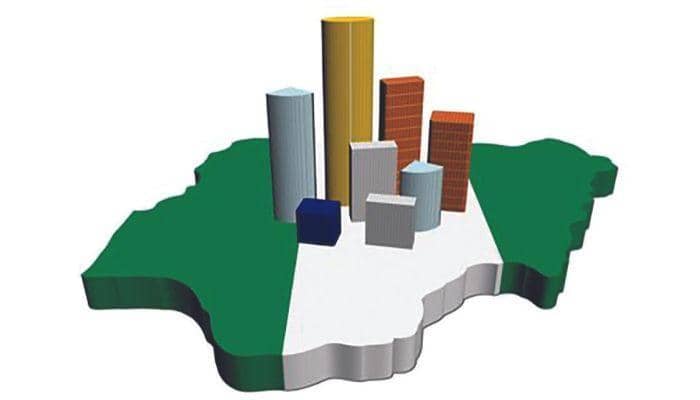
Nigeria’s economy recorded stronger growth in the second quarter of 2026, expanding by 4.43 per cent year-on-year, as the Federal Government said the latest performance strengthens the country’s prospects of achieving a $1 trillion economy by 2030.
The Q2 growth rate, according to the Federal Ministry of Finance, represents an improvement over the 4.23 per cent recorded in the corresponding quarter of 2025 and 3.89 per cent in the first quarter of 2026.
The latest performance raised real GDP growth for the first half of 2026 to 4.16 per cent, compared with 3.68 per cent in the same period of 2025.
The ministry said the expansion was becoming increasingly broad-based, with 27 economic subsectors recording real growth above three per cent in Q2 2026, compared with 23 subsectors in Q2 2025.
Manufacturing grew by 3.24 per cent, more than twice the 1.60 per cent recorded in Q2 2025, while agriculture expanded by 4.39 per cent from 2.82 per cent. The services sector, the largest contributor to growth, also accelerated to 4.60 per cent from 3.94 per cent.

The ministry said improved exchange-rate stability further boosted the economy’s performance in dollar terms, noting that the naira appreciated by more than 12 per cent between the first half of 2025 and the first half of 2026.
It estimated that the development contributed to an approximately 17 per cent expansion of the economy in US dollar terms during the period.
The Federal Government said the combination of sustained growth, macroeconomic stability and improved investor confidence could accelerate Nigeria’s emergence as Africa’s largest economy by 2028 and support the achievement of the $1 trillion GDP target by 2030.

The ministry also cited an International Monetary Fund projection ranking Nigeria among the top 10 contributors to global real GDP growth in 2026, with the country expected to account for about 1.5 per cent of global growth.
It, however, stressed the need for policy consistency and continued reforms to ensure that the improving macroeconomic indicators translate into higher incomes, improved purchasing power and broader prosperity for Nigerians.
The ministry said the Federal Government would remain focused on sustaining economic reforms and accelerating inclusive growth so that the benefits of the recovery would increasingly reach households across the country.