RismadarVoice Reporters, 29 August 2026
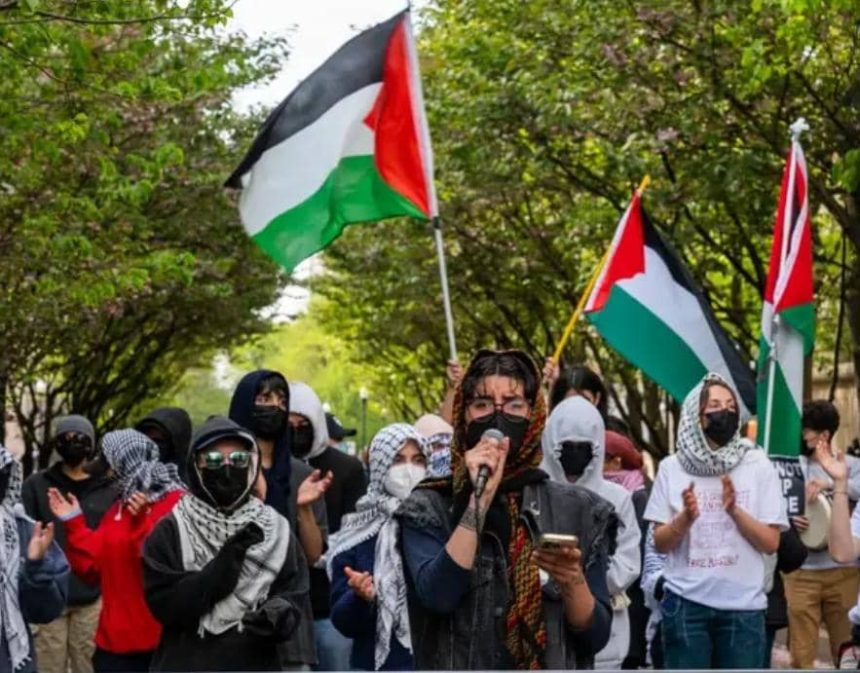
A federal judge in the United States has ruled against the Trump administration’s move to cancel visas and begin deportation proceedings against noncitizen college students over their pro-Palestinian advocacy and criticism of Israel.
U.S. District Judge Noel Wise, in a ruling delivered on Friday, said two provisions of the Immigration and Nationality Act used by the administration to pursue the action violated the First Amendment, which protects freedom of speech.
“Stated plainly, in the United States, freedom of speech belongs to the people. It is not the government’s to take,” Wise said in her judgment.

The case was filed by The Stanford Daily, Stanford University’s student newspaper, which challenged the administration’s use of immigration laws against foreign students who engaged in political expression, including writing opinion articles and participating in protests.
The newspaper argued that the government’s actions had created fear among noncitizen students, who worried that expressing their views could result in visa cancellation or deportation.
The judge said the government could not single out individuals for immigration action because of opinions they expressed, adding that free speech protections also apply to noncitizens in the United States.

Wise said a government decision based on a person’s viewpoint or political expression amounted to targeting protected speech.
The ruling followed a similar decision by another federal judge in Boston, who had previously ruled that deportation efforts against foreign students based solely on pro-Palestinian activism violated constitutional protections.
The Trump administration had relied on provisions of the Immigration and Nationality Act that allow the government to take action against noncitizens whose presence is considered harmful to foreign policy interests.

However, lawyers for The Stanford Daily argued that applying the provisions to political expression violated constitutional rights.
The Foundation for Individual Rights and Expression, which represented the student newspaper, welcomed the judgment, describing free speech as a fundamental right rather than a privilege.
George Porteous, editor-in-chief of The Stanford Daily, said the ruling would allow student journalists to continue their work without fear that reporting or expressing views could affect their immigration status.
The Trump administration has yet to announce whether it will appeal the decision.