

RismadarVoice Reporters, August 29, 2026
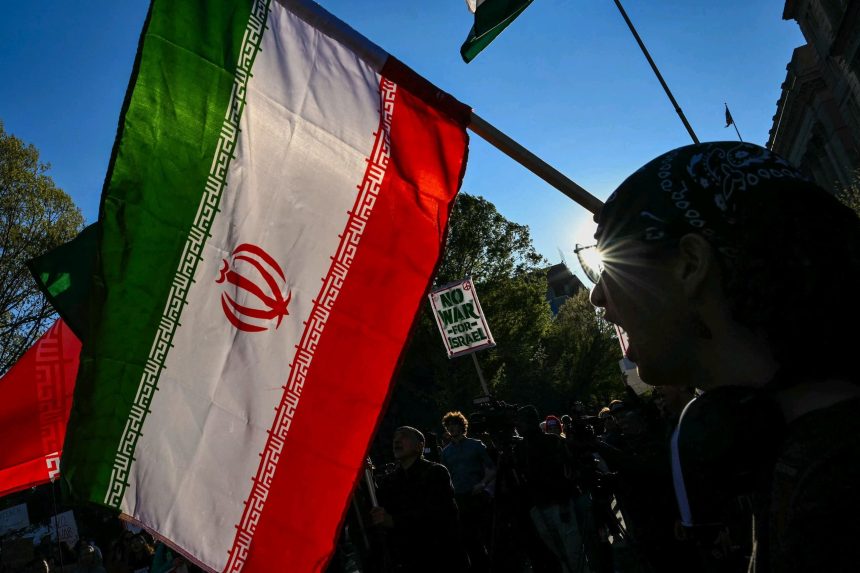
Six months after the United States and Israel launched the first strikes on Iran, Iranian Americans remain deeply divided over the impact of the conflict and what should happen next.
The war has created differing views within the Iranian diaspora in the United States, with opinions shaped by personal experiences, political beliefs and memories of Iran’s past decades of unrest.
Some Iranian Americans, particularly those opposed to Iran’s government, initially supported the military action, viewing it as a possible opportunity to weaken or end the Islamic Republic’s rule.
Others opposed the strikes, warning that military escalation could increase civilian suffering, deepen regional instability and produce uncertain political outcomes.

The Iranian American community includes multiple generations of immigrants, including those who left Iran after the 1979 revolution and others who fled more recent crackdowns and protests. These different experiences have contributed to contrasting perspectives on the conflict.
Arezo Rashidian, a monarchist activist based in Los Angeles who supports Crown Prince Reza Pahlavi, said she had initially welcomed the strikes, hoping they would lead to major political change in Iran.
However, six months into the conflict, she said many anti-government activists had become disappointed that the expected changes had not occurred.
Rashidian said some contacts inside Iran had reported increased fear and security pressure following the fighting, though those claims could not be independently verified.
She also continued to support stronger sanctions against Tehran, arguing they could increase pressure on Iran’s leadership.
Meanwhile, Aria Rostami, an Iranian American museum professional in New York, said the war exposed deep divisions within the diaspora.
Rostami criticised those who celebrated the military intervention, questioning whether foreign military action could achieve lasting political change based on previous US interventions in countries such as Iraq, Afghanistan and Libya.

He said the conflict changed how some members of the community viewed one another, creating uncertainty over political beliefs and affiliations.
The disagreement among Iranian Americans reflects broader debates over the future of Iran, the role of foreign intervention and the consequences of military action.
Washington has also continued to apply pressure on Tehran through sanctions, while Iranian officials have warned of possible retaliation against regional and international targets.
As the conflict enters its seventh month, divisions within the Iranian diaspora remain unresolved, with members holding different views on whether military pressure will bring change or create further instability.