RismadarVoice Reporters
October 14, 2026
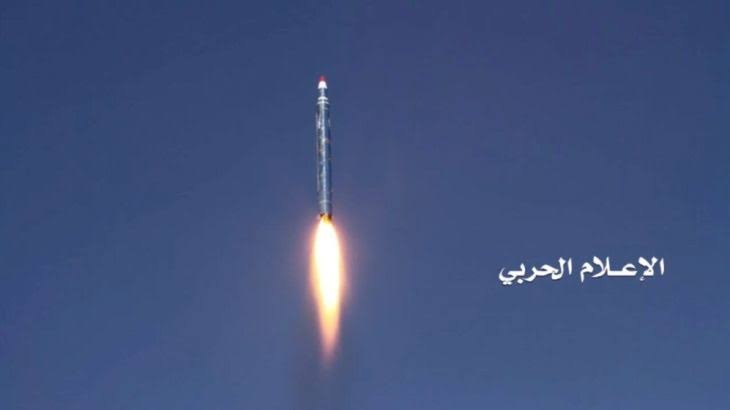
The Saudi-led coalition has announced the interception and destruction of a ballistic missile allegedly launched by Yemen’s Houthi movement towards Riyadh, amid escalating hostilities between the two sides.
Coalition spokesperson Major-General Turki al-Maliki announced the interception on Wednesday, October 14, in a statement posted on X.
Saudi Arabia’s General Directorate of Civil Defence also issued emergency alerts to residents of Riyadh and Al-Kharj through the national early warning system before subsequently declaring that the immediate threat had passed.

The development followed a series of attacks claimed by the Houthis, also known as Ansar Allah, against Saudi oil and aviation facilities.
The group said it had targeted installations belonging to Saudi Aramco in Dhahran, an oil refinery in Riyadh and King Khalid International Airport.
Saudi Arabia’s Ministry of Energy confirmed that an administrative building belonging to Aramco in Dhahran had been struck overnight.
The latest escalation follows reports of earlier attacks on civilian infrastructure, including airports and residential areas.
Reports indicated that attacks on King Khalid International Airport over the preceding weekend killed 14 people and injured more than 300 others. Those casualty figures have not been independently verified by RismadarVoice.
Other facilities reportedly targeted during the recent hostilities include Abha International Airport and additional Aramco installations.
Meanwhile, Saudi-backed Yemeni government forces have reportedly intensified military operations against Houthi positions near the Bab al-Mandeb Strait, a major shipping corridor connecting the Red Sea to the Gulf of Aden.
The renewed fighting has raised concerns about the stability of the region and the security of international maritime trade.
Hostilities between the Houthis and Saudi-backed Yemeni forces reportedly intensified in September, putting further pressure on the fragile arrangements that followed the United Nations-brokered truce of 2022.
The Houthis have controlled Yemen’s capital, Sanaa, and significant parts of northern Yemen since 2014, while the internationally recognised government operates from the south.
In another development, Houthi-affiliated media reported four air strikes in the Harib district of Marib governorate. The extent of any casualties or damage was not immediately established.
The Muslim World League condemned the attacks on Saudi Arabia, accusing the Houthis of endangering civilians and targeting essential infrastructure.

Its secretary-general, Sheikh Mohammad bin Abdulkarim Al-Issa, criticised the attacks and called attention to the risks posed to civilian populations.
Security analyst Nawaf Obaid, a senior research fellow at King’s College London, said intensified air operations had not yet developed into a major ground offensive by the Saudi-led coalition.
He suggested that any wider military campaign would face significant operational challenges, particularly in Yemen’s mountainous regions.
The latest developments underscore the continuing risk of a broader regional confrontation as military operations intensify, and prospects for renewed negotiations remain uncertain.