RismadarVoice Reporters, July 28, 2026
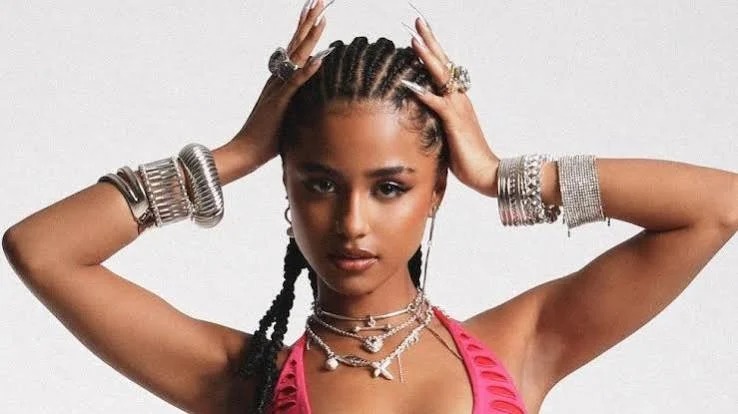
Nigerians have expressed mixed reactions to calls for a boycott of South African singer Tyla’s planned concert in Lagos, as renewed concerns over alleged xenophobic attacks against Nigerians in South Africa continue to generate public debate.
The controversy followed the announcement of Tyla’s APOP World Tour, which is expected to include a performance in Lagos on December 22. The tour is scheduled to end with shows in Cape Town on January 4 and Johannesburg on January 9.
The Grammy-winning singer unveiled the tour dates on Monday, announcing performances across Europe, North America, Nigeria and South Africa.

However, the inclusion of Lagos on the tour schedule sparked heated discussions on X, formerly Twitter, with some Nigerians calling for the concert to be boycotted in protest against the reported mistreatment of Nigerians in South Africa.
Several social media users argued that South African entertainers should not be welcomed for major performances in Nigeria while concerns over xenophobia and alleged attacks on Nigerians remain unresolved.
One user, identified as @Miz_Fey, criticised Nigerians who plan to attend the concert, while another, @FtoniaUc, argued that the event should not go ahead amid reports of attacks involving Nigerians in South Africa.
Another user, @BighomieRay, urged Nigerians to reject the concert, alleging that South African authorities had failed to adequately address incidents involving Nigerian nationals.
Some contributors also questioned Tyla’s silence over allegations of xenophobic violence, arguing that public figures with international influence should speak out against discrimination and attacks targeting African migrants.
@MetOrjiChukwudi called for a peaceful boycott, describing it as a symbolic demand for justice, accountability and the protection of Africans living in South Africa.

The user said the campaign would serve as a non-violent expression of concern over xenophobia and what some critics have described as growing Afrophobia.
Others, however, opposed the boycott campaign, insisting that Tyla should not be held responsible for the actions of individuals or government authorities in her country.
A user, @Emmanuel1135482, argued that support for the singer should not be interpreted as an endorsement of xenophobia, while @cea9275 described the proposed boycott as misguided.
The user maintained that political disagreements should not prevent musicians from performing in other countries and questioned why similar concerns were not raised when Nigerian artists collaborated with South African entertainers.
Another contributor, @DoyeenOfLagos, argued that responsibility for the concert rests with its organisers and prospective attendees rather than the Nigerian government.