RismadarVoice Reporters, June 25, 2026
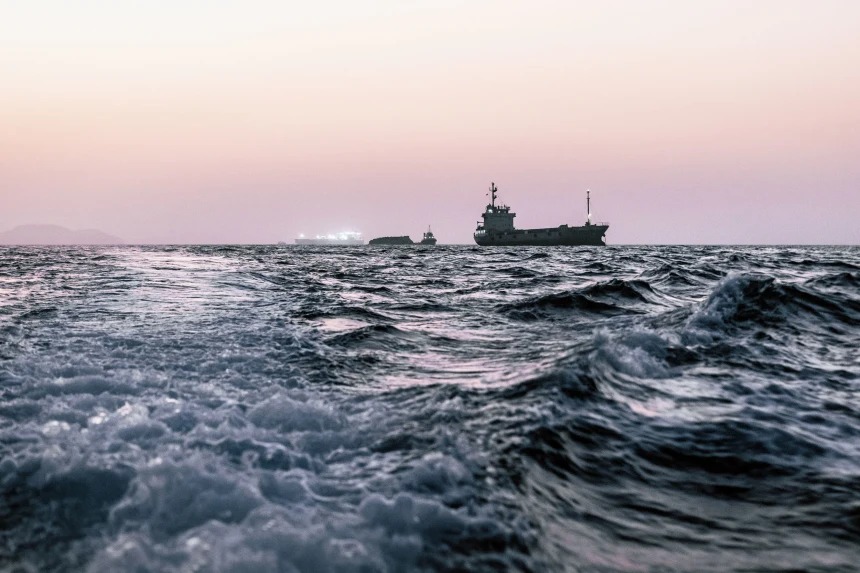
Oil tanker traffic through the Strait of Hormuz showed signs of recovery on Thursday as several vessels successfully navigated the strategic waterway despite warnings from Iran against using a United Nations-backed shipping route.
The movement of tankers comes amid lingering uncertainty over the implementation of a recent temporary agreement between the United States and Iran aimed at restoring safe passage through one of the world’s most important energy corridors.
Among the vessels that passed through the strait was the Liberian-flagged tanker Stoic Warrior, which sailed along a route recommended by the International Maritime Organisation (IMO), a United Nations agency responsible for maritime safety. The vessel avoided Iranian territorial waters by navigating close to the coastlines of the United Arab Emirates and Oman before exiting the Persian Gulf.

Another tanker, the British-flagged World Prize, was also reported to have used the same route, according to maritime tracking data. Several other ships followed the Omani corridor, although some vessels reportedly turned back during the transit.
The resumption of traffic follows a 60-day agreement between Washington and Tehran that helped ease concerns across global energy markets and the shipping industry. The arrangement was expected to facilitate the reopening of the Strait of Hormuz, but disagreements over operational details continue to create uncertainty.
Iran’s Revolutionary Guard Navy criticised the route proposed by the IMO, insisting that vessels should continue using a corridor closer to Iran’s coastline. The force described alternative routes as unsafe and warned that ships failing to comply with its directives could face consequences.
The warning has complicated efforts to normalise maritime operations in the region. While some shipping companies have resumed voyages, many operators remain cautious due to security concerns and unresolved issues, including the reported presence of naval mines and uncertainty surrounding long-term enforcement of the agreement.
Shipping analysts noted that current vessel movements remain significantly below levels recorded before the conflict. Industry observers say much of the traffic consists of previously loaded cargoes leaving the Gulf rather than new export shipments.
Despite the cautious pace, the gradual return of tanker movements has contributed to improving market confidence. Global oil prices have continued to decline, with Brent crude trading around $72 per barrel, substantially lower than the highs recorded during the height of regional tensions earlier this year.

According to maritime intelligence data, millions of barrels of crude oil have passed through the Strait of Hormuz since the agreement took effect, while dozens of vessels have completed transit operations. However, shipping volumes remain well below normal levels.
Experts believe it may take several weeks before oil production and export activities across Gulf states fully recover. Analysts also suggest that many tanker operators are attempting to maximise shipments during the temporary 60-day window established under the agreement.
Meanwhile, the International Maritime Organisation has launched efforts to assist thousands of seafarers stranded in the region, coordinating safe passage and evacuation procedures where necessary. Oman has also issued navigation guidelines to support vessels using routes along its coastline.
The dispute over shipping access remains politically sensitive. U.S. officials have maintained that international waterways must remain open and free from tolls or restrictions, while Iran has previously sought fees from vessels using routes under its supervision.
Regional leaders continue to monitor developments closely. Officials from Gulf states have warned against attempts to alter the balance of power in the region through coercive measures, stressing that lasting stability in the Strait of Hormuz can only be achieved through cooperation and respect for international maritime law.
The Strait of Hormuz remains a critical chokepoint for global energy supplies, carrying a significant share of the world’s oil exports. Any disruption to shipping in the area has the potential to affect international markets and global economic stability.