RismadarVoice Reporters, May 12, 2026
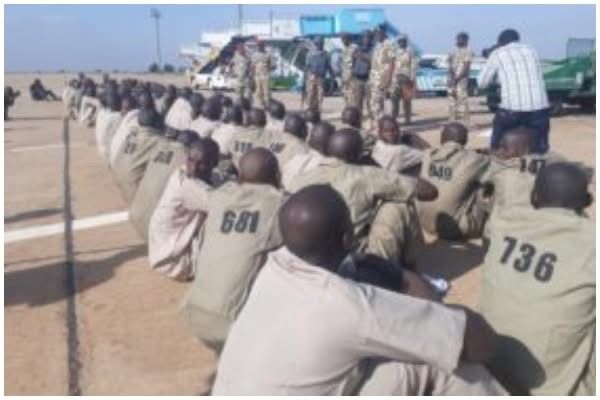
The Borno State Government has reiterated its confidence in its deradicalisation and reintegration programme for former insurgents, explaining that repentant terrorists are required to swear an oath with the Holy Qur’an before being accepted back into society.
The clarification was given by the state Commissioner for Women Affairs and Social Development, Zuwaira Gambo, amid ongoing public concerns over the safety and reliability of reintegrating former Boko Haram fighters.
According to the government, the oath-taking process forms a critical part of the rehabilitation framework, which officials describe as a structured attempt to prevent relapse into insurgency.

Gambo explained that the process involves multiple verification stages, including supervision by traditional rulers, religious leaders, and government officials, before ex-combatants are reintegrated into their communities.
She insisted that the oath sworn on the Qur’an carries serious spiritual and social consequences, which she said serve as a strong deterrent against returning to armed violence.
The state government also sought to dispel fears that reintegrated individuals pose an ongoing security threat, stating that thousands of former fighters have already been processed under the programme without reported systemic breaches.
The remarks come amid renewed national debate over Nigeria’s deradicalisation strategy, particularly the federal “Operation Safe Corridor” programme, which has processed hundreds of former insurgents in recent years.
While the initiative has been praised by some stakeholders as a pathway to peacebuilding, it has also attracted criticism from legal practitioners, rights groups, and victims’ advocates who question its transparency and long-term effectiveness.
The Borno government maintains that the reintegration model remains a key pillar in its broader counter-insurgency strategy, combining rehabilitation, community resettlement, and monitoring to stabilise conflict-affected areas in the North-East.

Authorities say funding constraints and public perception remain major challenges, but insist the programme is essential for sustainable peace in the region.