

RismadarVoice Reporters, April 9, 2026
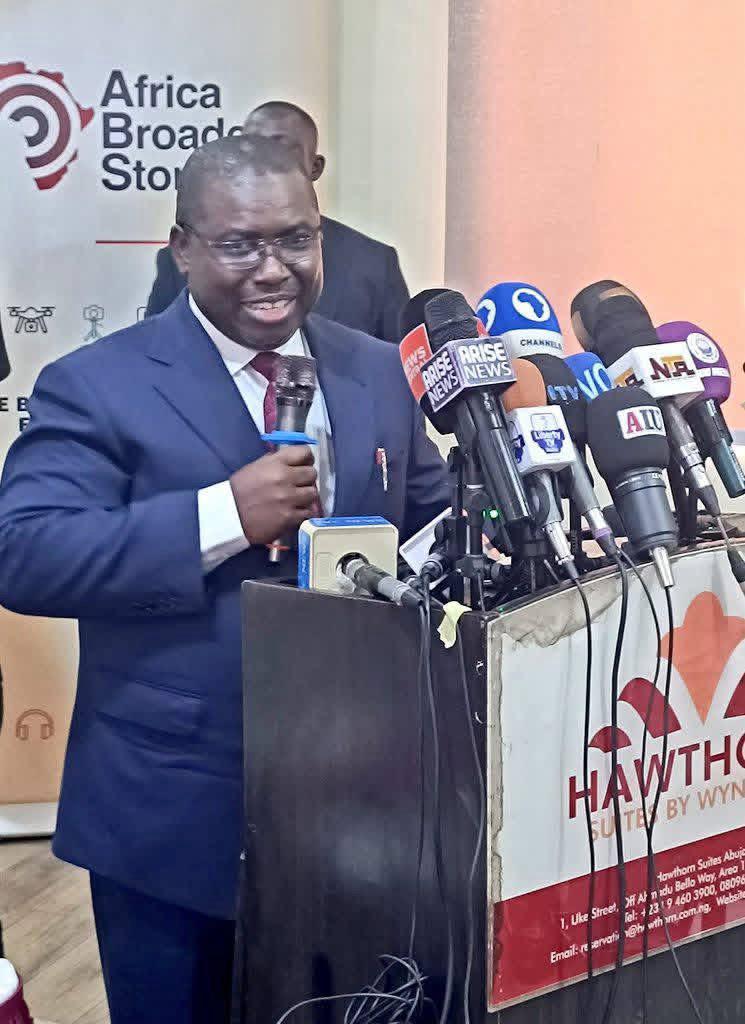
The Chairman of the Independent National Electoral Commission (INEC), Prof. Joash Amupitan, SAN, has cautioned broadcast media organisations against the spread of misinformation, warning that the credibility of the 2027 General Election will depend significantly on how responsibly Nigeria’s airwaves are managed.
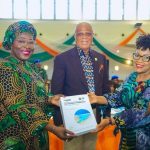
Speaking on Wednesday, April 8, 2026, at the 81st General Assembly of the Broadcasting Organisations of Nigeria (BON), Prof. Amupitan described the information space as a critical battleground in modern elections.
He noted that the greatest threat to credible polls may no longer be physical disruption, but the rapid spread of false information amplified through unverified broadcasts.
He emphasised the need for strict compliance with the Electoral Act 2026, particularly provisions regulating political broadcasting. According to him, with 22 registered political parties, equal access to media platforms is a legal obligation, not a discretionary gesture.
The INEC Chairman also highlighted provisions prohibiting abusive, inflammatory, or divisive language capable of inciting ethnic, religious, or sectional tensions.

He warned that irresponsible broadcasting could undermine national cohesion and destabilize the electoral process.
Prof. Amupitan reminded broadcasters of the mandatory 24-hour “cooling-off period” before Election Day, during which political campaigns and advertisements are prohibited, noting that the measure allows voters to make informed decisions free from last-minute influence.
While acknowledging the constitutional right to freedom of expression, he stressed that it must be exercised within the bounds of the law.
As a public resource, he said, the airwaves carry a responsibility for fairness, balance, and accountability.
He further underscored the complementary roles of INEC and the National Broadcasting Commission (NBC) in safeguarding the integrity of political broadcasting, while pointing to challenges such as regulatory overlaps, enforcement gaps, and the growing convergence of traditional and digital media.
Raising concerns over perceived incumbency advantage in state-owned media and the increasing commercialization of political airtime, he warned that such practices could disadvantage smaller parties and weaken the level playing field required for credible elections.
To address these issues, the INEC Chairman called for stronger collaboration among regulators, clearer guidelines on equal access, improved fact-checking mechanisms, and greater transparency in political advertising, including full disclosure of sponsorship and pricing.
He charged broadcasters to prioritize truth and professionalism over profit by verifying information before dissemination and actively countering fake news.
He also urged the media to play a proactive role in mobilizing citizens for active participation in the electoral process.

Reaffirming INEC’s commitment to transparency, Prof. Amupitan advised media organizations to rely on the Commission’s official platforms as authoritative sources of electoral information, assuring them of continued engagement through designated spokespersons.
He concluded that the credibility of the 2027 General Election will depend not only on logistics and technology but also on the integrity of the information environment, urging the media to act in the best interest of Nigeria’s democracy.