


RismadarVoice Reporters, May 27, 2026
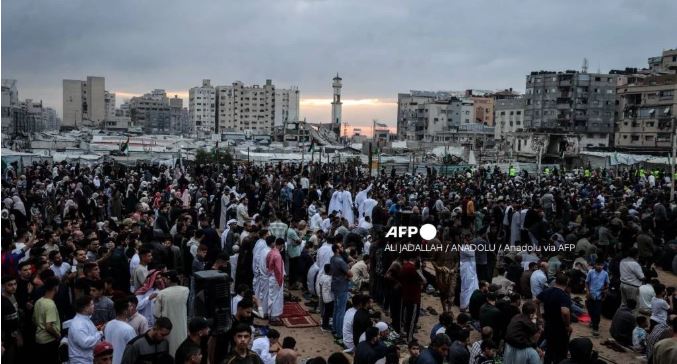
Residents of Gaza are marking Eid al-Adha under difficult humanitarian conditions, with many families unable to afford basic festive items traditionally associated with the celebration.
New clothes for children, sacrificial animals, and traditional Eid treats have become either too expensive or largely unavailable, leaving many households struggling during what is normally a period of joy and family gatherings.

For many residents displaced by the prolonged conflict, economic hardship continues to overshadow the holiday spirit.
“I go to the market only to look around because I cannot afford to buy anything. Whenever I ask about prices, I return heartbroken,” a displaced resident, Nadia Abu Shamala, said.
She explained that years of displacement and economic difficulties have made it impossible for many parents to provide even basic needs for their children.
Despite a ceasefire agreement that began in late 2025, reports indicate that air strikes and insecurity continue in parts of Gaza, while humanitarian agencies say much of the population remains dependent on aid for survival.
Humanitarian organisations have also raised concerns over shortages of essential goods entering the territory, contributing to rising prices and limited supplies.
One of the most affected aspects of Eid celebrations this year is the traditional sacrifice of sheep, a central religious practice during Eid al-Adha.
According to reports, livestock shortages have significantly driven up prices, placing sacrificial animals beyond the reach of many families.
Officials in Gaza’s agricultural sector attributed the situation to reduced livestock numbers, rising production costs, and the destruction of farms during the conflict.

Residents described the prices as unprecedented, with many saying they can no longer afford even small quantities of meat for their families.
The challenges have also affected food preparation, as shortages of cooking gas and essential supplies have made it difficult for families to prepare traditional meals and pastries commonly associated with the holiday.
Despite the hardship, many families continue making efforts to create moments of joy for children and preserve aspects of the Eid celebration amid ongoing uncertainty.
For many residents, however, the atmosphere remains defined more by survival concerns than festivities, as hopes persist for improved living conditions and lasting peace.