RismadarVoice Reporters
October 16, 2026
The United States has recorded 4,410 measles cases in 2026, with 451 people hospitalised nationwide, as health authorities intensify efforts to contain a growing outbreak affecting several states.
Figures attributed to the US Centres for Disease Control and Prevention (CDC) indicate that infections increased by 330 within one week, raising fresh concerns about declining vaccination coverage and the continued spread of the highly contagious disease.
Pennsylvania has emerged as the state with the largest reported outbreak, prompting federal health authorities to deploy a specialist investigator to support disease surveillance, contact tracing and other containment measures.
The outbreak has particularly affected children and teenagers, although a substantial proportion of cases has also been recorded among adults.

CHILDREN, TEENAGERS ACCOUNT FOR LARGEST SHARE OF CASES
According to the CDC figures cited in the report, children and teenagers aged five to 19 account for 42 per cent of measles infections recorded nationwide this year.
Adults aged 20 and above represent 41 per cent of cases, while children younger than five account for the remaining 17 per cent.
The age distribution highlights the broad impact of the outbreak across different population groups.
Measles is a highly contagious viral infection that spreads through the air when an infected person breathes, coughs or sneezes.
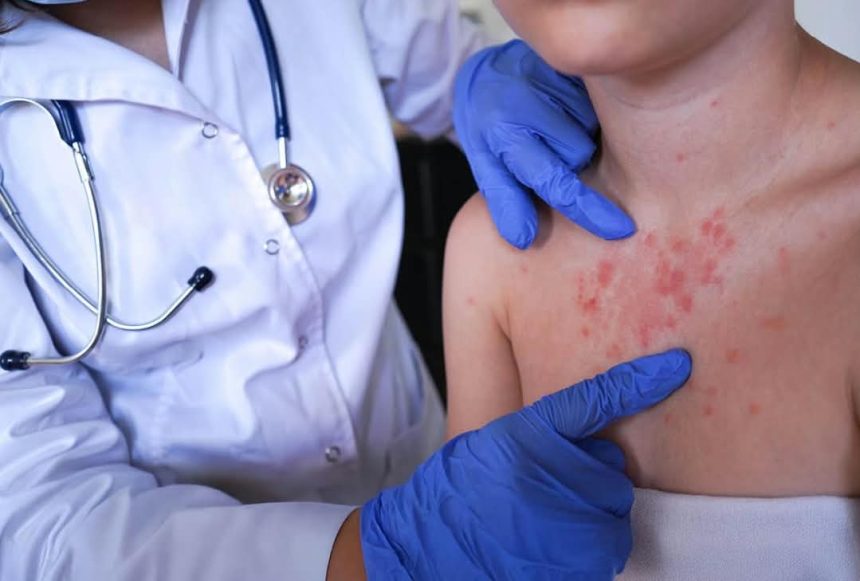
The disease commonly causes fever, cough, runny nose, red eyes and a characteristic skin rash.
Although many patients recover, measles can lead to serious complications, including pneumonia, brain inflammation and death, particularly among young children and people with weakened immune systems.
Health authorities continue to emphasise vaccination as the most effective means of preventing infection and reducing the risk of severe complications.
PENNSYLVANIA RECORDS 1,222 CASES, FIVE CONFIRMED DEATHS
Pennsylvania has reported 1,222 measles cases across 42 counties, according to figures released by the state’s health department as of Wednesday, October 14.
The state recorded 86 additional infections since October 9, indicating that transmission remains active despite ongoing containment measures.
The outbreak has resulted in 225 hospitalisations and five confirmed measles-associated deaths in Pennsylvania.
State health officials are also investigating a sixth reported death to determine whether it was associated with measles.
The figures have intensified concerns among public health authorities about the severity of the outbreak and the challenges of controlling transmission in affected communities.
CDC DEPLOYS SPECIALIST INVESTIGATOR
In response to Pennsylvania’s worsening outbreak, the CDC has arranged to deploy an investigator from its Epidemic Intelligence Service to assist state health authorities.
The specialist, commonly referred to as a disease detective, is expected to support epidemiological investigations and help identify transmission patterns.
The deployment follows a formal request for federal epidemiological assistance, known as an Epi-Aid, from Pennsylvania authorities.
Such assistance can involve reviewing surveillance data, investigating possible sources of infection and recommending measures to interrupt further transmission.
The intervention comes as state and local health departments continue to strengthen vaccination campaigns and public health monitoring.

OVER 5,900 VACCINE DOSES ADMINISTERED IN PENNSYLVANIA
Pennsylvania has expanded its vaccination programme in communities affected by the outbreak.
According to state health authorities, health centre personnel have administered more than 5,900 doses of the measles, mumps and rubella (MMR) vaccine through 202 temporary vaccination clinics since the outbreak began in late April.
The clinics were established to improve access to immunisation and reach residents who may not have received the recommended vaccine doses.
The MMR vaccine protects against measles, mumps and rubella, and two doses provide approximately 97 per cent protection against measles.
Health officials have encouraged eligible residents to review their vaccination records and seek professional medical advice where necessary.
NEW YORK DECLARES STATEWIDE DISASTER EMERGENCY
The rising number of infections has also prompted emergency public health measures in neighbouring New York.
Governor Kathy Hochul declared a statewide disaster emergency on October 5 amid concerns about the regional spread of measles.
The emergency order, scheduled to remain in effect until November 4, expands the categories of healthcare professionals authorised to administer vaccines.
It also provides nurses with greater flexibility to order measles testing, allowing health services to respond more rapidly to suspected infections.
The measures are intended to strengthen vaccination coverage, improve early detection and reduce the risk of further transmission.
FALLING VACCINATION RATES RAISE CONCERNS
The outbreak comes against a backdrop of declining measles vaccination coverage among American schoolchildren.
CDC data cited in the report show that vaccination coverage among kindergarten pupils fell from 95.2 per cent during the 2019–2020 school year to 92.4 per cent in 2025–2026.
The decline has raised concerns because measles spreads rapidly in communities where a sufficient proportion of people are not immune.
Public health experts generally consider vaccination coverage of approximately 95 per cent with two doses necessary to help prevent sustained measles transmission.
The CDC estimates that about 280,000 kindergarten pupils are at risk because of gaps in vaccination coverage.
The figures underline the importance of maintaining routine childhood immunisation programmes and ensuring that eligible children receive their recommended vaccinations.

HEALTH AUTHORITIES INTENSIFY OUTBREAK RESPONSE
With infections continuing to rise, health authorities are expanding surveillance, vaccination and public awareness programmes in affected communities.
The response includes efforts to identify new cases promptly, monitor people who may have been exposed and encourage vaccination among those who remain susceptible.
Health officials also stress the importance of seeking medical advice when symptoms consistent with measles develop, particularly following known exposure.
People who suspect they have measles are generally advised to contact a healthcare provider before visiting a medical facility so that appropriate infection-control arrangements can be made.
The reported 4,410 infections and 451 hospitalisations underscore the scale of the public health challenge facing the United States.
As federal and state agencies continue their response, the outbreak has renewed attention to the importance of vaccination, early detection and coordinated public health measures in preventing further infections and deaths.