




RismadarVoice Reporters, June 2, 2026
The administration of President Donald Trump has indicated it may step back from plans to establish a controversial $1.8 billion fund intended to compensate individuals it describes as victims of political prosecution, following mounting opposition from both Democrats and members of the Republican Party.
The U.S. Department of Justice (DOJ) announced on Monday that it would comply with a recent federal court order temporarily blocking implementation of the fund while legal challenges proceed. Although the department maintained its disagreement with the ruling, it stated that it would respect the court’s decision pending further judicial review.

The fund has faced criticism from lawmakers who argue that it could direct public resources toward political allies of the president. Opposition intensified after several Republican senators reportedly expressed concerns about the proposal, raising the possibility of bipartisan efforts to halt its implementation.
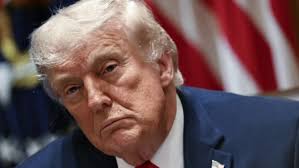
Speaking on the matter, President Trump acknowledged that the administration is currently constrained by the court’s order, emphasising that the legal process must be respected while the issue remains under review.
The fund became the subject of litigation after a group of plaintiffs, including a former federal prosecutor dismissed during the Trump administration, challenged its legality in federal court. Advocacy organisations involved in the lawsuit welcomed indications that the administration may be reconsidering the initiative but pledged to continue legal action until the proposal is formally abandoned.
The controversy has also complicated Republican efforts to advance a major legislative package aimed at increasing funding for immigration enforcement agencies, including Immigration and Customs Enforcement (ICE) and the U.S. Border Patrol. Congressional negotiations reportedly stalled in recent weeks as lawmakers debated the inclusion of the fund.
Several senior Republican lawmakers have publicly distanced themselves from the proposal. Senate Judiciary Committee Chairman Chuck Grassley argued that eliminating the fund would be the most effective way to resolve the impasse and move forward with broader legislative priorities.
Similarly, Senator Roger Wicker described the initiative as problematic from the outset, reflecting growing unease within Republican ranks.
Democrats, meanwhile, remain sceptical that the administration has fully abandoned the proposal. Senate Minority Leader Chuck Schumer has called for legislation that would permanently prohibit the creation of such a fund, arguing that legal safeguards are necessary to prevent any future administration from reviving the idea.

Schumer and other Democratic lawmakers have vowed to introduce amendments and standalone measures designed to ensure the fund cannot be reinstated through future executive action.
The dispute has exposed unusual divisions within the Republican Party, with some lawmakers reportedly warning that continued support for the fund could jeopardise broader legislative objectives. According to accounts from lawmakers present at internal discussions, concerns ranged from questions about transparency to fears that the proposal could be perceived as politically motivated.
With multiple lawsuits still pending and a key court hearing scheduled later this month, the future of the fund remains uncertain. For now, the administration’s decision to comply with the court order appears to have paused implementation, though the political and legal battle surrounding the proposal is expected to continue.