
RismadarVoice Business
September 17, 2026
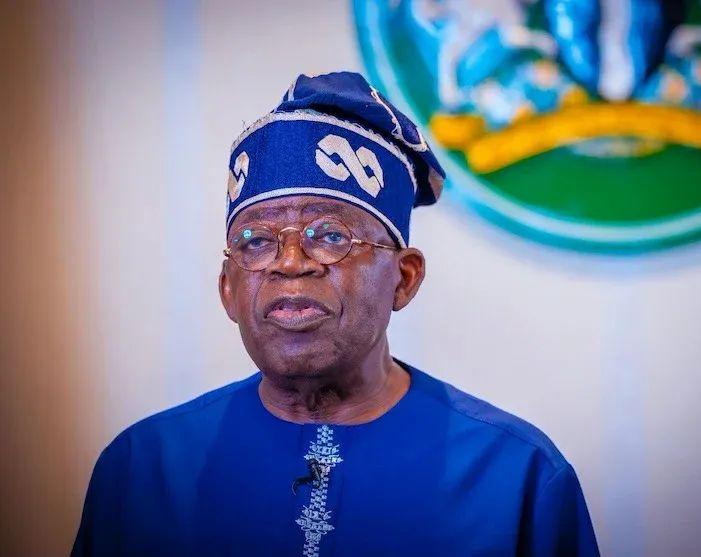
President Bola Tinubu has moved Nigeria’s Digital Free Zones initiative into the implementation phase, directing that a roadmap for its full launch be developed within 180 days as the government seeks to attract global investment, create jobs and keep Nigerian technology companies and intellectual property within the country.
The President directed the Minister of Industry, Trade and Investment, Jumoke Oduwole, to work with the Itana Innovation project and the Presidential Steering Committee on Digital Free Zones to deliver the implementation roadmap.
The initiative is designed to provide a business environment where Nigerian and other African technology and service companies can raise international capital, employ local talent and serve global markets while maintaining their operations and intellectual property in Nigeria.
Tinubu said Nigeria has the talent and entrepreneurial capacity to produce globally competitive companies, but the government must create conditions that allow businesses to grow internationally without relocating to foreign jurisdictions.
The government also expects the initiative to expand opportunities for Nigerians to work remotely for international companies while strengthening demand for engineers, developers, designers, lawyers, accountants and other professionals supporting digital businesses.

$500M ITANA PROJECT
A major component is the $500 million Itana Innovation project at Alaro City, Lagos, backed by the Africa Finance Corporation. The project is expected to combine digital-business infrastructure with access to capital, an innovation campus and services aimed at helping African companies scale.
Itana operates as a licensed Digital Special Economic Zone for technology and service-based businesses, offering a framework intended to simplify incorporation, regulation and cross-border operations.
Tinubu said the broader objective goes beyond establishing technology parks, with the government seeking to position Nigeria as a base from which African companies can be incorporated, financed, managed and expanded into international markets.
The Presidential Steering Committee is expected to continue work across taxation, regulation, banking, immigration, arbitration and the digitisation of government processes required to support businesses operating within the digital free zones.

The initiative also forms part of Nigeria’s wider effort to expand its digital economy and position the country as a regional base for technology investment and digitally delivered services. The Federal Government has recently introduced additional policies aimed at attracting investment into cloud infrastructure, data centres and digital services.
Under the plan, the government wants more of the economic value generated by Nigerian technology talent — including jobs, investment, professional services and intellectual property — to remain within the domestic economy while companies compete internationally.