RismadarVoice Reporters
September 14, 2026
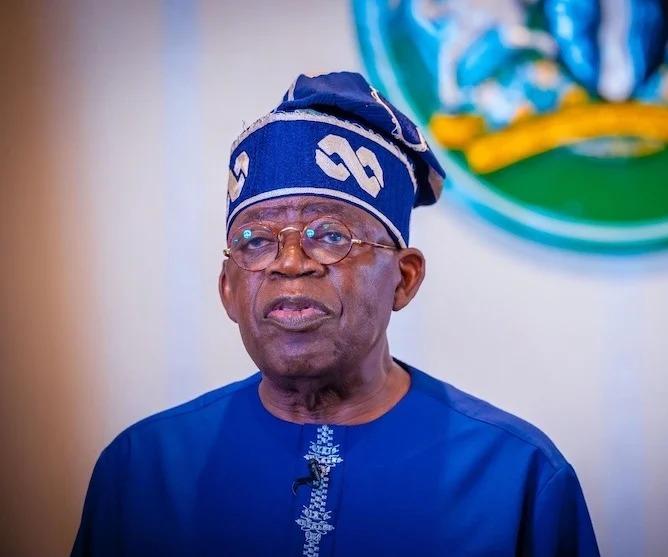
President Bola Tinubu has directed the Secretary to the Government of the Federation, George Akume, to ensure the timely release of funds due to the various regional development commissions.
The President issued the directive on Monday while addressing the North Central Development Commission Summit in Abuja, themed “The Great Leap Forward: A 20-Year Economic Infrastructure and Social Development Plan for the North Central Region.”
Akume, who represented Tinubu at the event, said the establishment of regional development commissions was part of the Federal Government’s efforts under the Renewed Hope Agenda to promote balanced and accelerated development across the country.

Tinubu said the government would continue to provide political and financial support to the commissions to enable them to undertake projects capable of unlocking economic and industrial opportunities.
He, however, urged the commissions to look beyond government allocations by attracting private-sector investment, donor support and development financing for major projects.
According to the President, priority areas should include rail and air transportation, industrialisation, security, investment, education, healthcare and human capital development.
Tinubu also cautioned the leadership of the commissions against corruption, political interference, discrimination and the diversion or misuse of public resources.
He warned that individuals found culpable would face appropriate sanctions.
The President clarified that the regional commissions were established to complement, rather than duplicate, the responsibilities of state and local governments as well as existing federal agencies.
He specifically charged the North Central Development Commission to support efforts aimed at tackling insecurity in the region, noting that sustainable development would be difficult to achieve without peace and stability.

The Nasarawa State Governor and Chairman of the North Central Governors’ Forum, Abdullahi Sule, said the region had sufficient human and natural resources to become a major driver of Nigeria’s economic growth.
Sule highlighted agriculture, mining and industrial production as key areas with significant potential, but called for greater emphasis on processing and value addition instead of exporting raw materials.
He argued that minerals extracted from the North Central should also be processed within the region to create jobs and stimulate local economies.
The governor cited developments in the cement and lithium industries as examples of the economic opportunities available in the region.
According to him, Nasarawa State had hundreds of steel mining licences but lacked processing facilities when he assumed office in 2019. He said the state had since attracted two of the country’s largest lithium processing plants.
Sule also listed the region’s agricultural strengths, including rice, sesame and other food crops, saying the challenge was now to develop the leadership and long-term planning required to maximise those opportunities.
He commended the Tinubu administration’s economic policies, particularly their impact on government revenue, saying the reforms had strengthened the capacity of the three tiers of government to meet their financial obligations.

Earlier, the Chief Executive Officer of the North Central Development Commission, Cyril Tsenyil, said the commission was created to coordinate regional development, mobilise resources and build partnerships.
Tsenyil stressed that its mandate was not to take over the responsibilities of the six states in the region or the Federal Capital Territory.
He said the commission’s 20-year development strategy would prioritise regional economic corridors, agricultural and mineral processing, infrastructure development and employment opportunities for young people.
Tsenyil said the North Central should aim to become one of Africa’s most competitive agricultural regions, rather than being defined solely as Nigeria’s agricultural hub.