


RismadarVoice Reporters
September 28, 2026
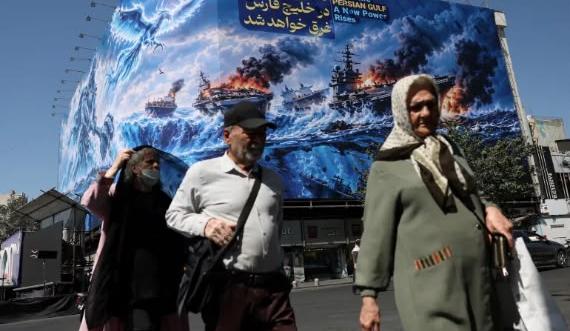
Tensions surrounding the Strait of Hormuz remain high after United States President Donald Trump rejected an Iranian proposal aimed at reopening the strategic waterway and easing the conflict between Washington and Tehran.
Explosions were reported near Iran’s Qeshm Island on Sunday, although Iranian authorities did not confirm that attacks had occurred in the strait.
Maritime traffic through the waterway remains heavily disrupted, with continuing security concerns affecting commercial shipping.
Iran’s Islamic Revolutionary Guard Corps maintains that vessels seeking passage through the strait must coordinate with Iranian authorities.
Tehran has also directed shipping companies to use a temporary route approved by Iranian authorities as the disruption continues.
Iran has maintained that the Strait of Hormuz will not fully reopen unless the United States lifts its naval blockade of Iranian ports.
Iranian Foreign Minister Abbas Araghchi has said Tehran presented Washington with a seven-day roadmap under which normal maritime traffic could resume if several conditions were met.

The conditions include lifting the blockade of Iranian ports, easing restrictions on Iranian oil exports and observing a broader ceasefire.
Trump rejected the proposal, leaving the two countries further apart despite diplomatic contacts through regional intermediaries.
Araghchi has said Tehran is still awaiting a formal response through diplomatic channels, maintaining that Iran remains prepared for negotiations while also warning that it is prepared for renewed hostilities.
Washington, meanwhile, says its naval forces are helping commercial vessels navigate the waterway while maintaining pressure on Iran.
The United States has also continued its blockade of Iranian ports, one of the principal issues Tehran wants resolved as part of any agreement.
The disruption has significant implications for international markets because the Strait of Hormuz is one of the world’s most important energy corridors, connecting oil and gas producers in the Gulf with global markets.
Andreas Krieg, an analyst at King’s College London, said continued economic and military pressure could lead Iran to intensify its maritime activities around the strait.
He said a prolonged confrontation could involve further incidents affecting commercial shipping and energy infrastructure, increasing uncertainty across the region.

Iranian military officials have also issued warnings against further US intervention in the waterway as tensions continue.
Despite the increasingly confrontational positions, Tehran maintains that diplomacy remains possible if Washington accepts terms it considers necessary for an agreement.
The United States has so far rejected Iran’s latest proposal, leaving the future of maritime traffic through the Strait of Hormuz and the broader conflict uncertain.