RismadarVoice Reporters
September 21, 2026
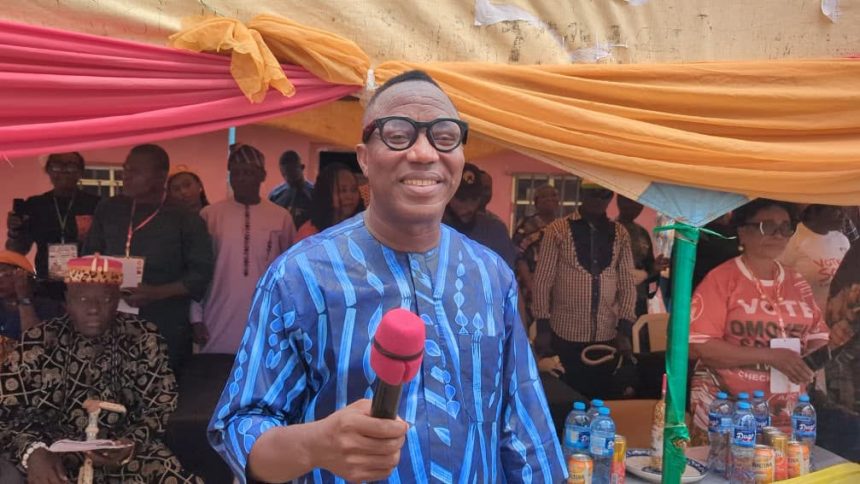
African Action Congress presidential candidate Omoyele Sowore has reiterated his proposal to introduce a minimum monthly wage of at least ₦500,000 for Nigerian workers if elected President in 2027, insisting that growing concerns about the affordability of the plan will not change his position.
Sowore also pledged to restore petrol subsidy as part of his proposed economic programme, arguing that workers require wages capable of meeting prevailing living costs.
The AAC candidate made the latest declaration while reacting to renewed public discussion over what constitutes a cost-reflective salary for Nigerian workers.

“The minimum wage issue will not go away. No one can wish it away,” Sowore said.
He maintained that criticism of the proposed wage level would not persuade his campaign to abandon the policy.
“Attempts to water down our proposal for a ₦500,000 monthly living wage with funny statistics will not change our position,” he said.

“Under our government, Nigerian workers will earn a minimum wage of at least ₦500,000 monthly. We will also restore the petrol subsidy.”
Sowore added that “workers deserve wages they can actually live on.”
SOWORE DEFENDS FUNDING PLAN
The ₦500,000 proposal represents a substantial increase from Nigeria’s existing statutory minimum wage and has generated questions about its potential fiscal implications for federal, state and local governments as well as private-sector employers.
Sowore has previously defended the proposal, arguing that Nigeria could finance higher public-sector wages by reducing government waste, recovering outstanding oil royalties and addressing financial leakages.
He has estimated that eliminating waste could generate between ₦3 trillion and ₦4 trillion in savings, while acknowledging that the proposed wage increase would significantly raise the Federal Government’s wage bill.
The figures and assumptions underlying the proposal remain part of the wider policy debate, particularly over the ability of governments and private employers with different revenue levels to sustain a ₦500,000 statutory wage floor.
Sowore has argued that the policy should form part of broader economic reforms intended to increase productivity, reduce operating costs and strengthen workers’ purchasing power.

His latest statement also places petrol subsidy restoration alongside wages as a major component of his economic proposals ahead of the 2027 presidential election.
The proposals remain campaign commitments and would require policy, fiscal and, where applicable, legislative steps before they could be implemented if the AAC forms the next Federal Government.