RismadarVoice Reporters
September 4, 2026
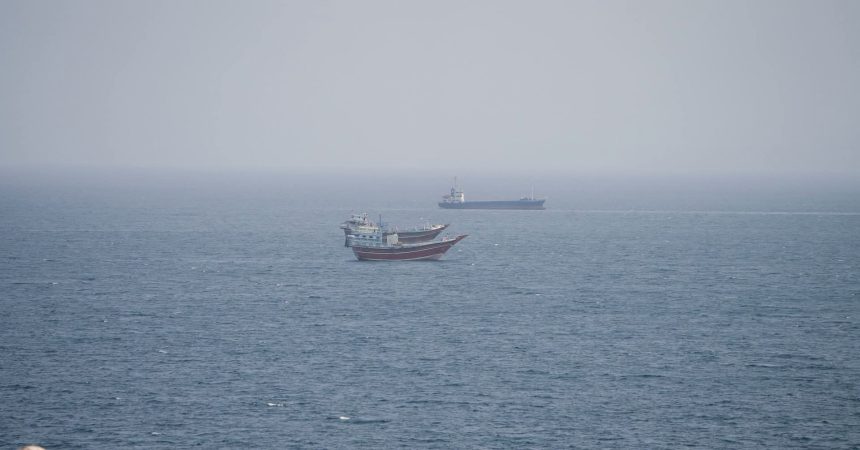
South Korea is reviewing possible military measures to support freedom of navigation in the Strait of Hormuz but has not made any decision to deploy forces, the presidential office said on Friday.
The statement followed reports by South Korean media outlets that Seoul was preparing to send military assets to the strategic waterway before the end of the year and could seek parliamentary approval for the move.
Officials said options under consideration include deploying a maritime patrol aircraft, a logistics support vessel, or a mine detection and clearance unit. Seoul has also been discussing possible contributions with allies, including the United States, Britain and France.

A presidential official confirmed that military measures were among the options being examined but stressed that no final decision had been reached.
“Nothing has been decided,” the official said, adding that the government would need to consider legal procedures, military readiness on the Korean Peninsula and approval from the National Assembly before taking any action.
The official also rejected claims that South Korea had not provided assistance related to security efforts around the Strait of Hormuz, saying Seoul had continued discussions with the international community on possible contributions.
The Strait of Hormuz is a key global energy route, through which a significant share of the world’s oil and gas supplies passes. South Korea relied on the waterway for 61% of its crude oil imports and 54% of its naphtha imports last year.
Analysts said a potential deployment could help South Korea strengthen its alliance with Washington while avoiding direct involvement in combat operations.
Ban Kil-joo, a professor of international security studies at the Korea National Diplomatic Academy, said a contribution would signal Seoul’s willingness to share security responsibilities with allies amid recent tensions over trade and defence cooperation.
South Korea’s former special forces commander, retired Lieutenant General Chun In-bum, said maintaining the security of the Strait of Hormuz was important because of the country’s economic interests.

However, any overseas military deployment would require approval from South Korea’s National Assembly. Public support for such a move remains uncertain, with a recent Gallup Korea poll showing 55% of respondents opposed sending South Korean warships to the region, while 30% supported it.
If approved, the mission would represent South Korea’s first maritime deployment outside the Korean Peninsula since the Cheonghae anti-piracy unit was sent to the Gulf of Aden in 2009.
The discussions come amid rising tensions in the Middle East following renewed military exchanges between the United States and Iran, which have increased security concerns around the Strait of Hormuz.