
RismadarVoice Reporters
June 4, 2026
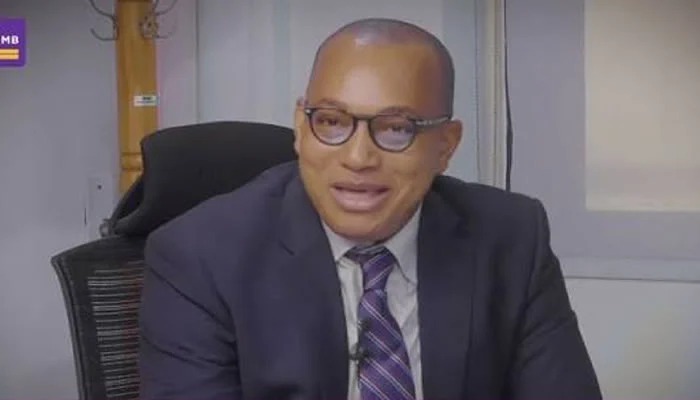
Small and Medium Enterprises (SMEs) in Nigeria need more than access to finance to achieve sustainable growth, according to George Ogbonnaya, Senior Vice President and Divisional Head of Business Banking at First City Monument Bank (FCMB).
Ogbonnaya said critical gaps such as infrastructure deficits, limited technical skills, and slow digital adoption continue to hinder the performance and competitiveness of small businesses across the country.
He made this known in an interview, where he stressed that financing alone cannot resolve the structural challenges facing SMEs, noting that broader ecosystem support is required to unlock their full potential.
According to him, infrastructure remains one of the most pressing constraints, with unreliable electricity, weak logistics networks, and inadequate digital systems significantly increasing the cost of doing business.
“Reliable electricity, efficient logistics, and strong digital infrastructure are critical for competitiveness. Energy, in particular, has a direct impact on operating costs,” he said.

He added that many businesses are now forced to explore alternative energy solutions due to high power costs, making renewable energy financing increasingly important for survival and growth.
Ogbonnaya also identified logistics bottlenecks as a major barrier to intra-African trade and business expansion, noting that inefficient transport systems continue to raise the cost of moving goods.
He further emphasised the importance of skills development, saying many entrepreneurs lack the managerial and leadership capacity required to scale their operations beyond small-scale enterprises.
“Entrepreneurs often start as sole operators but eventually need to build systems, manage teams, and implement growth strategies. Capacity building is crucial for that transition,” he said.
On regulatory challenges, he noted that simplifying compliance processes would significantly improve the ease of doing business, particularly for SMEs that lack dedicated administrative teams.
Ogbonnaya also highlighted FCMB’s efforts to support SMEs beyond traditional lending, stating that the bank adopts a holistic approach that includes digital tools, capacity building, and sector-specific financing.
He explained that the bank provides tailored financial solutions, including risk-sharing arrangements and partnerships with development finance institutions, to improve access to affordable credit for underserved businesses.
According to him, FCMB also focuses on digital transformation through platforms that help businesses manage payments, collections, and inventory more efficiently.
He added that the bank trains over 4,500 SMEs annually in areas such as financial management, leadership, digital marketing, regulatory compliance, and business strategy.

Ogbonnaya stressed that knowledge and skills development are just as important as access to capital, noting that many businesses fail not due to lack of funding but due to inadequate capacity and information.
He reaffirmed FCMB’s commitment to supporting SMEs through technology, training, and sustainable financing models, describing the segment as central to Nigeria’s economic growth and job creation.
“MSMEs are the backbone of the economy, and supporting them remains a strategic priority because they drive employment, innovation, and long-term development,” he said.