RismadarVoice Reporters
November 1, 2026
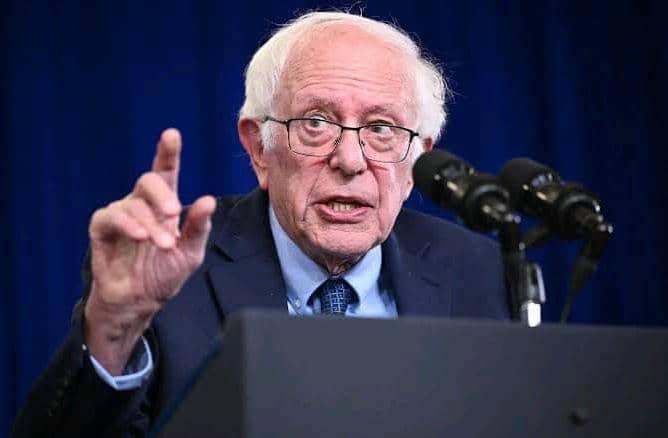
United States Senator Bernie Sanders has criticised President Donald Trump over rising fuel prices and the substantial profits recorded by major oil companies amid the ongoing US-Israeli war against Iran.
Sanders accused the administration of failing to adequately address the financial pressure on American households while energy companies benefited from higher oil prices and refining margins.
In a post on X on Saturday, the Vermont senator highlighted the sharp increase in petrol prices since the conflict began, contrasting the burden on consumers with the latest earnings of ExxonMobil, Chevron and Shell.3

According to Sanders, American petrol prices have risen by approximately 39 per cent since the war began, while ExxonMobil’s quarterly profits increased by 130 per cent and Chevron’s by 185 per cent.
He added that Shell’s earnings had nearly doubled during the same period.
The figures reflect a significant improvement in energy company earnings as disruptions to global oil supplies and refining operations continue to affect international markets.
ExxonMobil reported adjusted third-quarter earnings of $17.5 billion, compared with $7.6 billion in the corresponding period of 2025.
Chevron also recorded adjusted earnings of $10.4 billion, up sharply from the previous year, while Shell reported adjusted earnings of approximately $10.8 billion.
The increases have been driven partly by stronger refining margins following disruptions linked to the Middle East conflict and attacks on energy infrastructure.
Sanders argued that the financial gains contrasted with the difficulties faced by working families, who have experienced higher transportation and household expenses.
He also criticised Trump’s response to public concerns about rising fuel costs, citing remarks in which the President dismissed criticism of his administration’s handling of the economic consequences of the war.
The White House has defended its energy policies, with Trump arguing that increased oil production and higher earnings for American energy companies benefit the national economy.

The President has also maintained that fuel prices would decline following an end to the conflict.
However, the continuing rise in petrol and diesel prices has intensified political debate ahead of the November 3 congressional midterm elections.
Higher energy costs have affected motorists, transport operators, farmers and businesses, adding pressure to household budgets and operating expenses.
Sanders’ criticism comes as lawmakers debate whether additional measures are needed to protect consumers and address exceptional profits generated during periods of international conflict.
The latest developments have renewed scrutiny of the economic consequences of the war and the contrasting effects of higher energy prices on consumers and major oil producers.