RismadarVoice Reporters, May 24, 2026
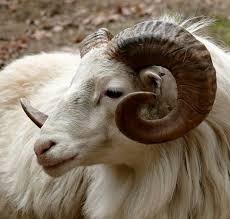
As preparations for Eid-el-Kabir intensify across Nigeria, soaring food inflation, skyrocketing livestock prices and rising transport costs are reshaping how many families observe the annual festival, with rams now selling close to ₦1 million and pepper prices recording as much as a 200 per cent increase in some markets.
From Lagos to Ibadan and Badagry, traders and residents say the economic pressure has forced households to abandon travel plans, reduce spending on livestock, and opt for modest celebrations centred on family and necessity rather than tradition and luxury.

At major markets in Lagos, traders say the prices of staple food items have risen sharply in recent weeks, placing additional pressure on households already grappling with the high cost of living.
A tomato and pepper seller at Iyana Oba Market, Ashiru, described the extent of the surge:
“Tomatoes and peppers are very expensive now. A basket of tomatoes is now N80,000. It used to be N52,000 or N53,000 before. A basket of pepper is now N45,000 whereas before it was sold for N15,000 (200 per cent increase). Onion is now N90,000 for a bag; before it was N56,000.”
Similarly, a food trader, Mrs Ruth Lawal, said basic staples are becoming increasingly unaffordable:
“The price of basic foods has gone up from the normal price. Before, a bag of rice, the common brands like My Food and Blessed, were sold for N52,000, but now it is N65,000. For groundnut oil, the price for 25 litres was N50,800 but now it is N61,200.”
The pressure extends to livestock markets, where rams, goats and cows have recorded steep price increases ahead of the celebration.
A cattle seller, Mr Abdulraheem, said prices have reached unprecedented levels: “We used to buy a big cow between N800,000 and N1 million but now it is between N1.2 million and N1.5 million. For ram, the big ones are currently sold between N700,000 and N900,000, while the medium size is sold between N400,000 and N600,000. The small ones are sold between N200,000 and N300,000.”
Another livestock trader, Afeez Awal, who sources animals from northern Nigeria, confirmed similar increases: “Small goat is now sold between N200,000 and N300,000; before it was sold for N150,000. The big one which was sold for N300,000 before is now N700,000. Cow is now sold between N1.2 million and N1.5 million; before it was sold between N500,000 and N700,000.”
For many households, the rising costs have forced a rethink of long-standing Sallah traditions.
A farmer, Temitope Abel, said she has dropped plans to buy a ram: “With the cost of food items, I can’t buy anything again. I won’t be able to buy ram like I usually do. I will go for a carton of turkey which is a bit affordable. A carton of turkey here is N48,000.”
A Lagos resident, Mrs Romoke Olisa, said her family has adjusted expectations: “We are adjusting our budget accordingly and focusing on a low-key celebration with immediate family. We’re partnering with two to three friends or family members to buy one big cow and split the meat.”
Similarly, Taiwo Jimoh said many families are left with no choice but to manage: “We are going to celebrate the festival with whatever we have… I told my children that they have to wear what they have at home. I want to urge my Muslim brothers and sisters to celebrate moderately with whatever they have.”
Beyond economic hardship, some residents say Islamic teachings reinforce the need for moderation.
Brand and communications strategist, Abiodun Yakubu, said: “Islam has made it easy for worshippers by ensuring that we only engage in acts of worship and celebration within our means… The faith emphasises that sacrifices and festivities should be based on what one can afford.”
Public health practitioner, Taoheedah Abdulkareem, added: “My approach is to spend within my means and manage my expenses carefully… The goal is to maintain the spirit of Eid while being responsible with money.”
Adjustments have also extended to travel and household arrangements.
Mrs Rukiyat Omolara said: “The economic situation in the country has made many of us Muslims adjust how we celebrate Sallah… Pepper is now expensive, so we will resolve to add dried pepper because of the cost of fresh pepper in the market.”
A resident, Mr Raji Razak said his family will forgo new clothing this year: “I’ve already told my children and wife there should be nothing like buying new clothing this year because of the situation of things.”
Meanwhile, Mr Awojoodu Kazeem said fuel costs have reshaped his plans: “With the current situation of things, especially with the high price of fuel… I’m considering doing the Sallah on a low key with my immediate family here in Ibadan.”
Despite the economic strain, many Nigerians say the essence of Eid-el-Kabir remains intact centred on sacrifice, gratitude, and shared family moments.

While luxury celebrations may be fading in many homes this year, residents insist that faith, resilience and togetherness continue to define the spirit of Sallah across the country.