RismadarVoice Reporters, August 12, 2026
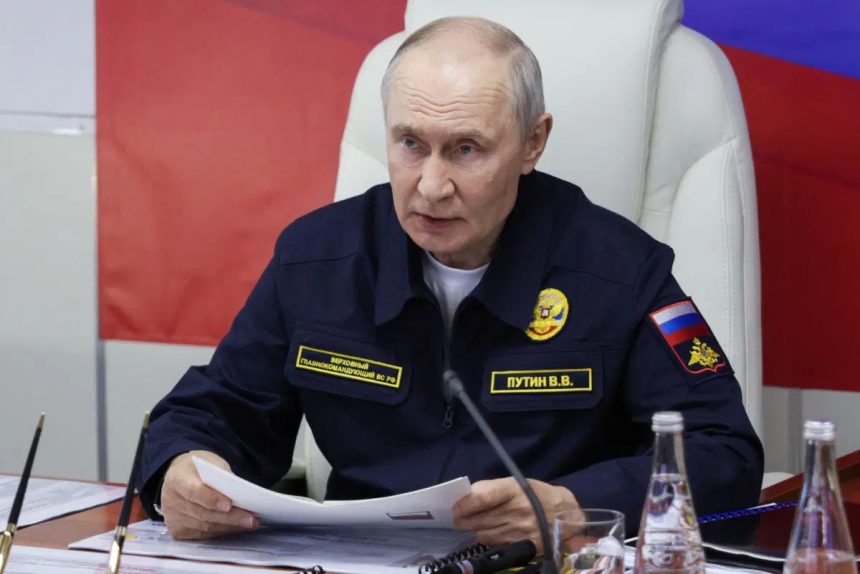
Russian President Vladimir Putin has threatened to seize ships belonging to European countries in retaliation for moves by European nations to sell cargo confiscated from Russian vessels linked to the country’s so-called “shadow fleet.”
Several European countries have intercepted vessels suspected of transporting Russian oil in violation of European sanctions designed to restrict Moscow’s access to revenue from energy exports.
New sanctions approved by the European Union last month allow member states to sell oil and other cargo seized from such vessels.

Russia has strongly opposed the measure, with Putin describing the seizures as “piracy and banditry” and warning that Moscow would respond.
“We will be forced to respond in kind,” Putin said on Wednesday while overseeing naval exercises in Russia’s Far East.
He added that Russia could take action “wherever we ourselves deem necessary and appropriate anywhere.”
The Russian president made the remarks aboard the guided missile cruiser Varyag near Sakhalin Island, where Russia’s Pacific Fleet was conducting naval exercises.
The threat comes amid growing tensions between Moscow and European countries over sanctions and the enforcement of restrictions on Russian oil shipments.
Swedish court documents obtained by AFP earlier in August indicated that Sweden would transfer to Ukraine a seized Russian vessel suspected of transporting grain from areas of Ukraine occupied by Russian forces.
Putin’s comments also came as Russia conducted military exercises in the Far East, about a week before planned joint military drills involving the United States and South Korea.

The upcoming US-South Korean exercises are designed to simulate responses to a potential invasion from North Korea.
Tensions in the region have increased amid allegations by Ukraine and South Korea that North Korea and Russia are deepening their military cooperation.
The Kremlin has maintained close relations with Pyongyang, while Western and Asian governments have raised concerns over growing military and strategic cooperation between the two countries.