

RismadarVoice Reporters
October 10, 2026
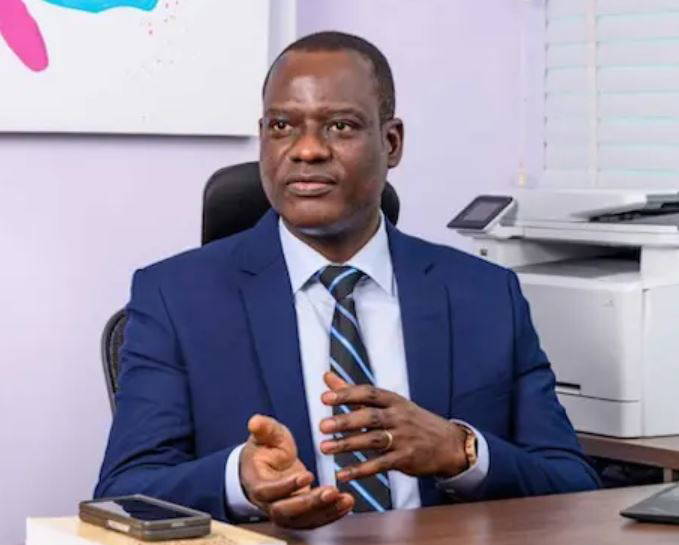
The Minister of Finance and Coordinating Minister of the Economy, Taiwo Oyedele, has criticised Peter Obi’s proposal to restore petrol subsidy if elected president in 2027, arguing that reinstating the policy could revive corruption and financial pressures associated with the former subsidy system.
Oyedele made the remarks during an appearance on Politics Today, where he defended the Federal Government’s approach to petrol pricing and explained the economic considerations surrounding domestic crude oil supply.
Obi, the Nigeria Democratic Congress (NDC) presidential candidate, had proposed restoring petrol subsidy after addressing corruption in the system, presenting the policy as a potential means of reducing the financial burden on Nigerians.
Responding, Oyedele maintained that President Bola Tinubu’s removal of petrol subsidy had addressed corruption associated with the previous arrangement.
He questioned the logic of reintroducing a policy that the administration considers vulnerable to abuse.

“With what Mr President has done, he has removed the corruption,” Oyedele said, arguing that reinstatement could recreate the problems the government had sought to eliminate.
The minister also challenged proposals to substantially reduce petrol prices, saying such promises must account for crude oil production, refining and distribution costs.
According to him, refining businesses generally operate on narrow profit margins and depend on large production volumes to remain commercially viable.
He maintained that petrol prices could not be sustainably reduced to between ₦400 and ₦1,000 per litre without considering the actual costs involved.
Addressing suggestions that locally produced crude oil should be supplied to Nigerian refineries at discounted prices, Oyedele explained that crude oil production involves financial obligations to operators, investors and the government.
He identified production expenses, royalties, contractual commitments and profit-sharing arrangements as factors limiting the volume of crude available for discretionary allocation.
The minister argued that Nigeria’s total daily crude oil output should not be interpreted as oil that the government could freely distribute to refineries at below-market prices.
He warned that supplying crude at artificially reduced prices could diminish public revenue and affect the government’s capacity to finance essential obligations, including salaries.
Oyedele further maintained that significant differences between domestic and neighbouring countries’ petrol prices could encourage cross-border smuggling.
He recalled that Nigeria’s previously reported daily petrol consumption approached 90 million litres, arguing that some subsidised fuel was diverted outside the country.
The minister cited developments in Cameroon following Nigeria’s subsidy removal as an illustration of the potential regional effects of fuel-price differences.
He also questioned whether border enforcement alone could completely prevent the illegal movement of subsidised petroleum products.
The disagreement reflects contrasting approaches to petrol affordability ahead of the 2027 general elections.

While Obi has proposed restoring the subsidy after tackling corruption, Oyedele maintains that keeping the subsidy removed is necessary to protect government revenue and prevent the return of market distortions.
The minister’s assertion that subsidy removal eliminated corruption represents the Federal Government’s position. It does not, by itself, establish that corruption or inefficiencies across the petroleum sector have been completely eradicated.
The debate also leaves unresolved how alternative petrol-pricing policies would be financed, implemented and sustained without placing additional pressure on public finances.