RismadarVoice Reporters
October 18, 2026
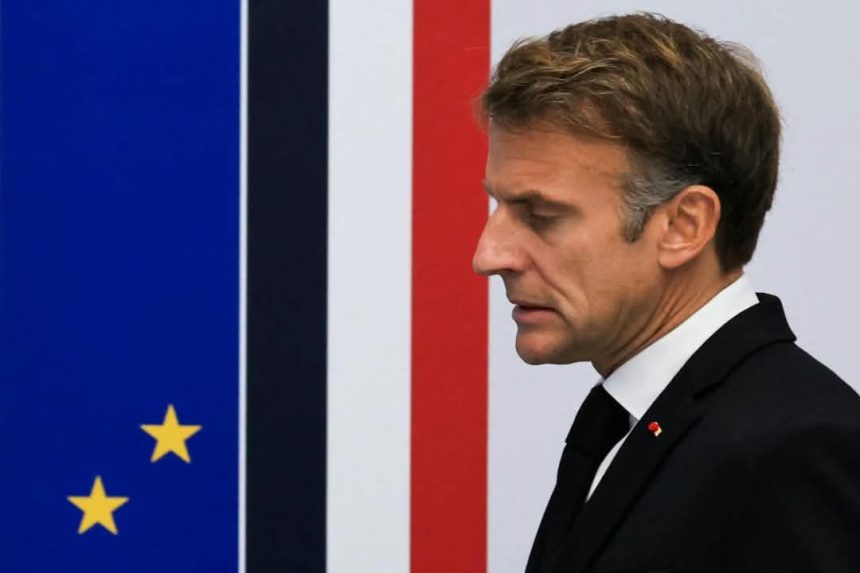
French President Emmanuel Macron has condemned the widespread violence, looting and destruction that accompanied nationwide protests in France, expressing anger over the unrest and promising stronger security measures to prevent further attacks.
In a televised address on Sunday, October 18, Macron accused violent demonstrators of attempting to undermine the French Republic following a weekend of serious disturbances across several cities.
The French Interior Ministry reported that nearly 2,400 people were arrested on Saturday, while approximately 1,000 police officers and gendarmes sustained injuries during confrontations with protesters.
The unrest, which developed from student-led demonstrations over education funding and conditions in schools, has expanded into a broader protest movement involving economic grievances, rising living costs and dissatisfaction with government policies.
Macron described the destruction as unacceptable, insisting that those responsible for criminal activities would face consequences.
MACRON PROMISES ACTION AGAINST RIOTERS
Addressing the nation after an interministerial crisis meeting at the Élysée Palace in Paris, Macron expressed what he described as anger and shame over the scale of the violence.
The French leader accused rioters of attempting to destabilise the country’s institutions and said those responsible for looting, vandalism and attacks on security personnel would be held accountable.

He emphasised the need to distinguish between citizens exercising their democratic right to protest and individuals engaging in criminal activities.
According to Macron, demonstrators with legitimate grievances should not be treated in the same manner as those responsible for destroying property and attacking law enforcement officers.
The President also praised security personnel for maintaining their responsibilities under difficult circumstances, describing the violence directed against them as unprecedented in several cities.
He directed the government to examine the security response and identify measures that could prevent similar disturbances.
Macron called for national unity, calm and respect, warning against further escalation.
GOVERNMENT PLANS EMERGENCY SUPPORT
As part of the government’s response, Macron announced plans to establish a crisis unit to coordinate urgent assistance for individuals and businesses affected by the disturbances.
The proposed intervention is expected to focus on those facing immediate difficulties following the destruction of shops, public facilities and other properties.
The President also promised a review of the circumstances surrounding the violence, saying lessons must be drawn from the events to improve future security planning.
Despite the seriousness of the unrest, Macron stopped short of declaring a state of emergency or imposing a nationwide curfew.
His administration instead signalled an intention to strengthen security operations while pursuing measures to restore public order.
STUDENT PROTESTS EXPAND INTO NATIONAL UNREST
The demonstrations initially emerged from complaints by students and education unions over inadequate funding, deteriorating school infrastructure and shortages of teachers in French secondary schools and universities.
However, the movement has increasingly attracted participation from other groups dissatisfied with the government’s economic and social policies.
Members of the Yellow Vests movement, known for earlier protests against fuel taxes and the cost of living, have joined the demonstrations in some areas.
Their participation has broadened the movement beyond education-related demands to include concerns about austerity measures, rising fuel prices and household expenses.
Saturday’s demonstrations descended into serious disorder in parts of the country, with reports of vandalised shops, looting, fires and clashes between protesters and security forces.
Paris was among the cities affected by the disturbances, which have raised questions about the government’s ability to contain the protests without further confrontation.
OPPOSITION LEADERS CRITICISE MACRON
The unrest has also intensified political tensions ahead of France’s presidential election scheduled for 2027.
Opposition figures have criticised Macron’s handling of the demonstrations, accusing his administration of failing to address the grievances driving public dissatisfaction.
Left-wing presidential contender Jean-Luc Mélenchon blamed the government for the destruction, arguing that the authorities had failed to maintain public order effectively.
Far-right presidential hopeful Jordan Bardella also criticised Macron’s national address, describing it as inadequate and accusing the administration of failing to protect citizens.
Their reactions reflect the growing political significance of the protests as parties position themselves ahead of the next presidential contest.
CONCERNS OVER FURTHER ESCALATION

Macron’s intervention comes amid uncertainty over whether the government’s security response will be sufficient to calm public anger.
The widening scope of the demonstrations has created additional challenges for authorities attempting to address legitimate public concerns while preventing violence and property destruction.
With education-related grievances now intertwined with broader economic frustrations, the unrest presents both a security challenge and a political test for the French government.
The administration faces mounting pressure to restore order, support those affected by the violence and respond to the underlying complaints that have brought demonstrators onto the streets.
For now, Macron has called for restraint and national unity, while warning that individuals responsible for criminal acts during the protests will be held accountable.