RismadarVoice Reporters
June 9, 2026
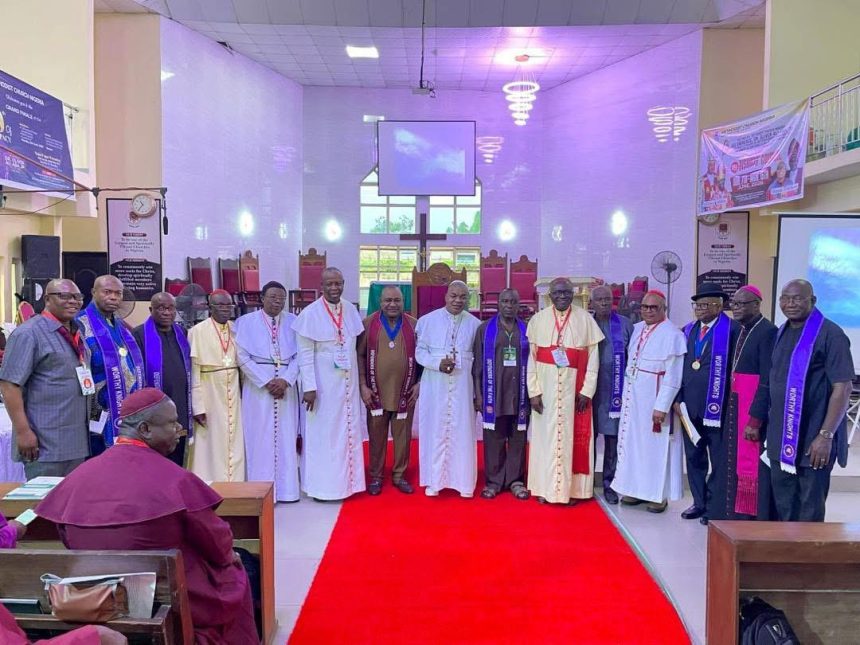
National President of the Council of Methodist Knights, Sir Victor Etefia, KJW, has called for sweeping reforms in the Methodist Church Nigeria, urging stronger accountability within the episcopacy, restoration of the dignity of knighthood, and a review of the church’s connexional structure.
Sir Etefia made the call during a special address at the 43rd Council of Bishops of the Methodist Church Nigeria, held at Immanuel Methodist Cathedral, Itiam Etoi, Uyo, Akwa Ibom State.
The council, which began on Sunday, June 7, is scheduled to run through Monday, June 15, 2026, and is being presided over by the Prelate of the Church, Dr Oliver Ali Aba.
Commending the leadership of the church, Sir Etefia said the current administration had helped stabilise the institution through what he described as a “New Dawn” leadership approach that has averted potential crises.

However, he warned that urgent internal reforms were necessary to safeguard the future of the church, outlining three priority areas: the restoration of knighthood integrity, episcopal accountability, and restructuring of the connexional system.
On knighthood, he expressed concern over what he described as declining spiritual discipline among some members, calling for stricter screening processes, deeper doctrinal grounding before investiture, and sustained mentorship after admission. He cautioned against “cash-and-carry” tendencies, insisting that knighthood must remain a spiritual calling reserved for morally upright and committed members.
Addressing episcopal leadership, Sir Etefia commended the church’s collective governance structure but warned against any drift toward monarchical-style leadership. He called for periodic institutional review to strengthen accountability, preserve Methodist traditions, and maintain balance in decision-making processes.
He also urged a more restorative approach to disciplinary measures involving clergy, proposing the establishment of a leadership and character reformation institute, possibly domiciled at Wesley University, to enhance ethics, conflict resolution, and reconciliation within the church.

On the connexional system, the Knights’ leader said some existing administrative structures had become burdensome and called for a comprehensive review to improve efficiency. He recommended the unbundling of redundant offices and the establishment of a high-powered reform committee comprising retired bishops and experienced lay leaders.
Sir Etefia stressed that his recommendations were made in the spirit of unity and loyalty, not criticism, but as contributions aimed at strengthening governance, mission effectiveness, and institutional stability within the Methodist Church Nigeria.