RismadarVoice Reporters
September 9, 2026
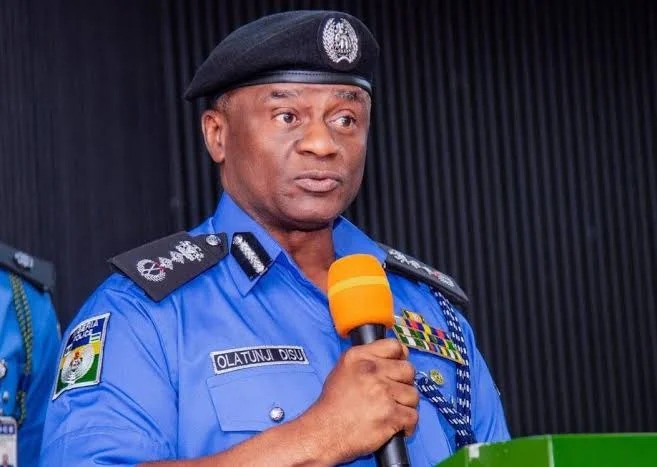
The Inspector-General of Police, Tunji Disu, hasV appealed to Nigerians to stop turning police officers into subjects of social media skits, saying the practice is demoralising members of the force.
Disu appealed in Abuja during a meeting with the President of the Nigerian Bar Association, Oyinkansola Badejo-Okusanya, and members of the association’s executive committee.
The meeting was convened amid concerns over recurring disagreements between lawyers and police officers, with discussions focusing on ways to improve relations between both professions.

The IGP said a recent court judgment concerning the recording of police officers had triggered widespread concern within the force.
According to him, some members of the public began using their mobile phones to record officers in different locations after the judgment.
“The recent judgment on recording of police officers, that one really jolted our officers,” Disu said.
He explained that the practice had gone beyond documenting police activities, with some Nigerians allegedly filming officers while they were at restaurants or carrying out activities unrelated to their official duties.
“Everywhere you see a policeman, start recording a policeman. So this is something that was very, very demoralising to us,” he said.
The police chief, however, acknowledged that members of the public could exercise their rights to record officers performing their duties in public places.
He urged citizens to exercise restraint and avoid using such recordings to turn police personnel into entertainment content.
“We are not saying they cannot exercise their rights to record officers in public places while doing their jobs,” Disu said.

“But they should put restraints and not turn our police officers into content for their skits or anything,” he added.
Disu also drew attention to the difficult conditions faced by police personnel deployed to checkpoints and other security-sensitive locations.
He said officers were often stationed in isolated areas, including highways, forests and bushes, where they worked for long hours to provide security for members of the public.
“If you look at where we have our officers at checkpoints, there are dangerous areas thick in the forest, thick in the bushes, on the highways, middle of nowhere,” he said.
The NBA president also acknowledged concerns surrounding the privacy of police officers, particularly when they were filmed while carrying out private activities.
Badejo-Okusanya said there should be a clear distinction between recording officers in the lawful performance of their duties and invading their privacy.
She, however, stressed that transparency remained important when police officers were performing their official responsibilities.
“We should not be afraid of being transparent in the lawful execution of our duties,” she said.
She referred to the use of body-worn cameras by police officers in the United States as an example of how recording technology could promote accountability.
According to her, body cameras provide a means of monitoring police conduct and can help establish facts when allegations of misconduct arise.

Badejo-Okusanya said the objective should not be to completely prevent the recording of police officers but to establish reasonable boundaries that protect privacy while promoting accountability.
She urged lawyers and the police to continue working together towards building a society where security personnel and citizens operate within the framework of the law.
“We just need to understand the limits,” she said, stressing that both professions had a shared responsibility to promote safety, justice and respect for the rule of law.