RismadarVoice Reporters
September 18, 2026
French prosecutors have opened a criminal investigation into suspected sexual harassment involving smart glasses, intensifying scrutiny of wearable devices capable of discreetly recording people.
The Paris prosecutor’s office said the investigation followed complaints linked to a social media trend in which women were allegedly filmed on the street without their consent before the recordings were posted online.
Prosecutors did not identify the brand of smart glasses allegedly involved or disclose further details of the investigation.
The office said its cybercrime unit recently tested smart glasses to better understand the types of offences for which the technology could potentially be misused.

WORKPLACE COMPLAINTS EMERGE
France’s data protection authority, CNIL, said it had separately received fewer than 10 complaints concerning the use of smart glasses in workplaces.
The regulator said businesses were also increasingly seeking guidance on whether they could prohibit employees or visitors from using the devices at work.
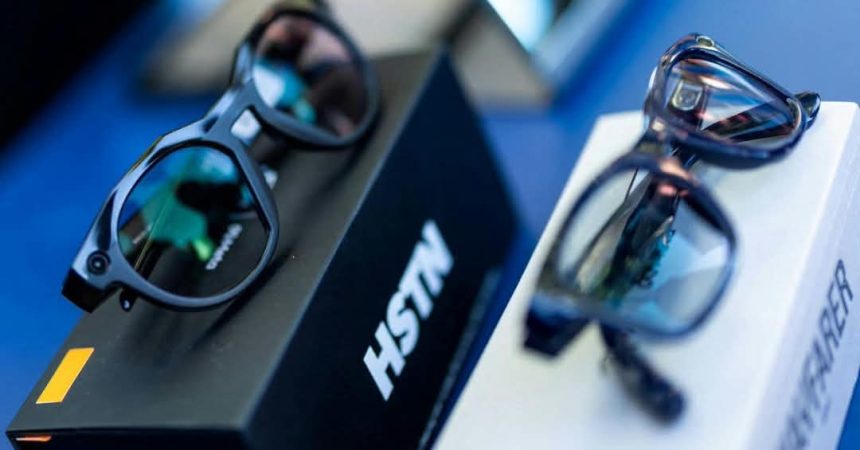
Smart glasses can contain small cameras, microphones and artificial intelligence features while maintaining the appearance of conventional eyewear, raising concerns over whether people can easily recognise when recording is taking place.
Meta’s AI-enabled glasses, developed with EssilorLuxottica, hold an estimated 76 per cent of the global smart-glasses market and sold about seven million units in 2025.
However, French prosecutors did not identify Meta or any other manufacturer as the brand involved in the sexual harassment investigation.
Meta said privacy had been incorporated into the design of its AI glasses and that it would continue strengthening protections as the technology becomes more capable. EssilorLuxottica declined to comment.

PRIVACY AND CONSENT UNDER SCRUTINY
CNIL official Nacera Bekhat said smart glasses present significant challenges around informing people that they are being recorded and obtaining consent where required.
AI-enabled wearable devices in Europe are subject to rules including the European Union’s AI Act and General Data Protection Regulation.
French law also provides penalties of up to one year in prison or a €45,000 fine for recording a person’s image in a private place without consent.
Privacy advocates argue that visible recording indicators on smart glasses do not necessarily resolve the consent issue, particularly when footage can subsequently be distributed online.
Internet safety expert Ines Legendre said seeing an indicator light did not amount to agreeing to be filmed or having the resulting footage distributed to a wider audience.

SCRUTINY SPREADS BEYOND FRANCE
Concerns surrounding smart glasses are increasingly attracting regulatory attention outside France.
Some cinemas in the United Kingdom have restricted their use over piracy concerns, while a German consumer advocacy organisation has filed a criminal complaint involving companies selling the devices, citing privacy laws.
Australia is also considering prohibiting camera-equipped smart glasses in government workplaces because of privacy and security concerns.
The developments highlight a growing regulatory challenge as increasingly discreet AI-enabled wearable technology becomes more widely used, forcing authorities to consider how existing privacy and consent rules apply to devices capable of recording everyday interactions.