RismadarVoice Reporters
November 17, 2026
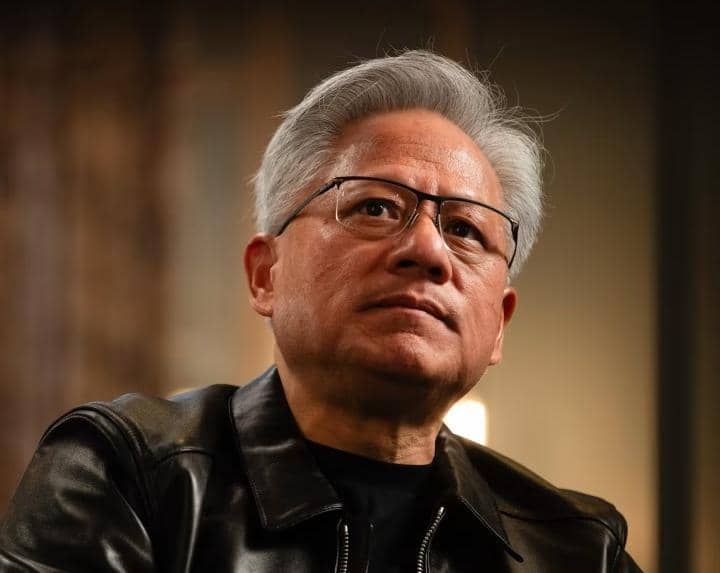
Former Nvidia Chief Executive Officer, Jensen Huang, has agreed to appear before three committees of the United States House of Representatives over allegations involving the possible transfer of advanced American semiconductor technology to Chinese entities considered national security threats.
The agreement was announced on Tuesday, November 17, with Huang scheduled for a closed-door congressional interview on December 1, 2026.
The investigation will involve the House Foreign Affairs Committee, the Select Committee on the Chinese Communist Party and the House Intelligence Committee.
Nvidia’s General Counsel, Tim Teter, has also agreed to appear before the committees on December 2 to address concerns surrounding the company’s business operations and compliance with American export restrictions.

The announcement was made by the committees’ Republican chairmen, Brian Mast, John Moolenaar and Rick Crawford.
In a joint statement, the lawmakers said they expected Huang and Teter to provide explanations concerning potential threats to American national security arising from Nvidia’s activities.
They questioned whether sophisticated American artificial intelligence chips had reached Chinese organisations despite restrictions intended to prevent sensitive technologies from being diverted to unauthorised users.
The lawmakers also raised concerns about reported connections between Huang and an individual suspected of having links to Chinese intelligence.
However, the allegations remain under investigation, and no finding of wrongdoing against Huang has been established through the congressional proceedings.
Huang resigned as Nvidia’s chief executive on November 12 following reports about his personal relationship with a woman alleged to have connections to Chinese intelligence.
The controversy has intensified congressional scrutiny of Nvidia’s dealings with China and the effectiveness of American semiconductor export controls.

Nvidia, a major manufacturer of advanced processors used in artificial intelligence, data centres and high-performance computing, has faced increasing pressure over restrictions on technology exports to China.
Meanwhile, the company has established a board-level National Security and Export Control Oversight Committee to strengthen compliance monitoring and address concerns surrounding sensitive technology transfers.
The congressional interviews will be conducted privately and transcribed, although the records could subsequently be made public.
The investigation comes amid continuing efforts by American lawmakers to strengthen export controls and prevent advanced semiconductor technology from reaching entities considered potential national security risks.