RismadarVoice Reporters
November 18, 2026
The Federal Government of Nigeria has announced plans to release approximately three million bags of fertiliser and additional grain reserves as part of efforts to improve agricultural production and moderate food prices across Nigeria.
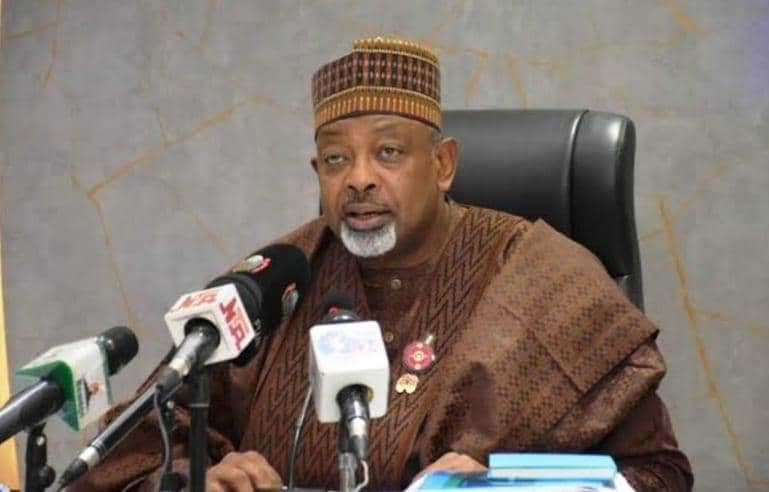
Minister of Agriculture and Food Security, Senator Abubakar Kyari, disclosed the proposed interventions on Wednesday during the presentation of the 2026 Wet Season Agricultural Performance Survey in Abuja.
The survey, conducted by the National Agricultural Extension and Research Liaison Services (NAERLS), assessed agricultural activities, production trends and challenges affecting farmers during the wet season.
Kyari said government interventions were beginning to support increased cultivation and improved productivity, although he acknowledged the need for further assessments.
He noted that the survey covered wet-season farming and directed NAERLS to conduct a separate evaluation of dry-season production to provide a more comprehensive picture of national agricultural output.
According to the minister, prices of some agricultural commodities, including maize, had declined compared with the previous year.
He expressed optimism that forthcoming harvests could improve market supply and help moderate prices.
Kyari also announced plans to release grains purchased through the Bank of Agriculture’s Guaranteed Minimum Price programme, with distribution arrangements to be communicated subsequently.
On fertiliser availability, he said the Presidential Fertiliser Initiative was preparing to make three million bags available within the coming weeks to support farmers and reduce production costs.
The intervention follows Vice-President Kashim Shettima’s directive to accelerate fertiliser production and distribution ahead of the dry-season farming period.
The minister also highlighted agricultural financing initiatives, mechanisation and improved access to farmland as important elements of the government’s food security strategy.

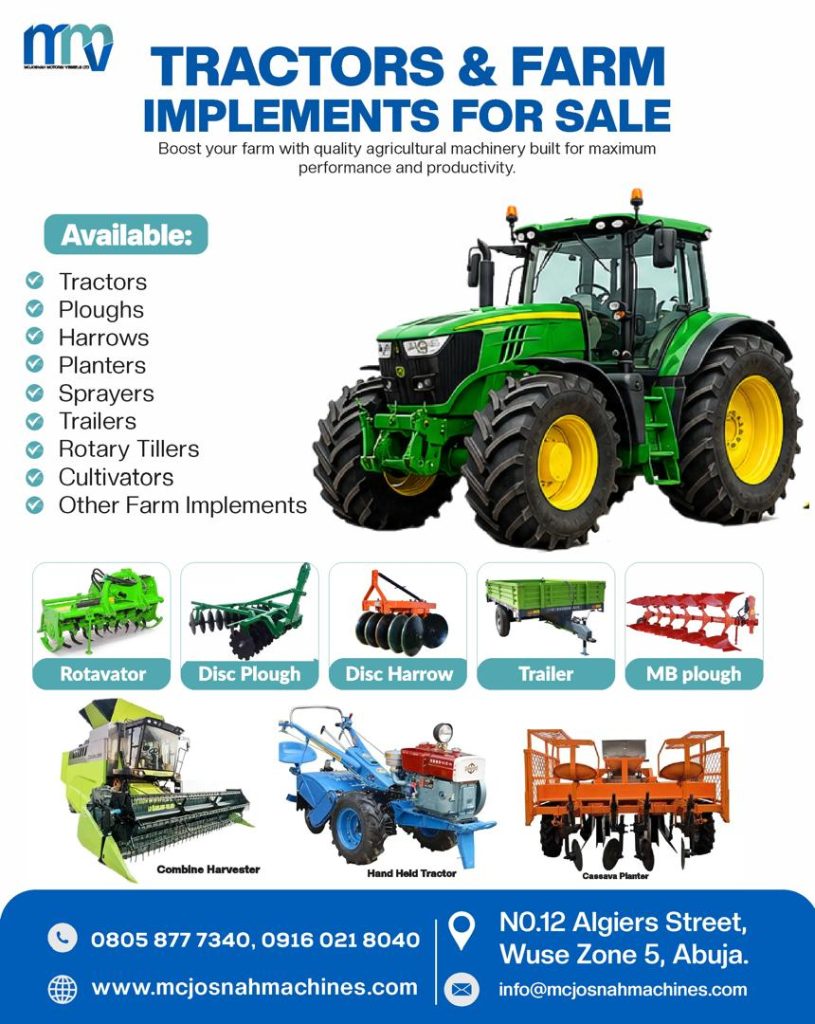
He said approximately 2,000 tractors had been deployed under an agricultural mechanisation programme, with additional deliveries expected in subsequent phases.
Meanwhile, NAERLS projected that Nigeria’s cereal production could reach 29.39 million tonnes in 2026, representing an increase of approximately 1.84 per cent over the previous year’s figure.
However, the agency identified flooding, crop pests, unpredictable rainfall and inadequate extension services as continuing threats to agricultural productivity.
Kyari said the government would continue working with financial institutions and private investors to expand agricultural production and processing.
The effectiveness of the proposed interventions will depend on timely distribution, farmers’ access to inputs and measurable improvements in food availability and affordability.