RismadarVoice Reporters
November 3, 2026
The Economic and Financial Crimes Commission (EFCC) has urged Nigerian students to become active participants in the fight against corruption by promoting transparency, accountability and integrity within their institutions and communities.
The commission’s Executive Chairman, Ola Olukoyede, appealed on Monday, November 2, during the 2026 National Association of Finance Students (NAFS) Conference held at Bayero University, Kano.
Olukoyede was represented by the Acting Zonal Director of the EFCC’s Kano Zonal Directorate, Assistant Commander of the EFCC I, Friday S. Ebelo.
Presenting a paper titled The Role of the EFCC in Combating Financial Crimes and Promoting Financial Integrity in Nigeria, the chairman highlighted the commission’s responsibilities in investigating financial crimes, preventing corruption and promoting ethical conduct.
He explained that the fight against economic and financial crimes required more than enforcement actions, stressing the importance of public enlightenment, institutional cooperation and the responsible use of technology.
Olukoyede said young Nigerians had an important responsibility to support anti-corruption efforts and contribute to building a society where honesty and accountability are valued.

He encouraged students to take advantage of opportunities for civic participation and support initiatives aimed at preventing financial misconduct.
The chairman also highlighted the commission’s youth engagement programmes, including Integrity Clubs in primary and secondary schools and Zero Tolerance Clubs in tertiary institutions.
According to the EFCC, these platforms are designed to educate young people about the consequences of corruption and encourage them to develop ethical values early in life.
Olukoyede urged students to reject fraudulent practices, demonstrate integrity in their academic activities and promote responsible behaviour in their communities.
The conference also provided an opportunity for participants to examine challenges affecting Nigeria’s anti-corruption efforts and discuss possible approaches to strengthening financial accountability.
As part of the engagement, pupils from BUK Staff Model Secondary School and ADDY Basic Secondary School in Rimin Gata, Kano, received sensitisation on honesty, integrity and the importance of rejecting corruption.

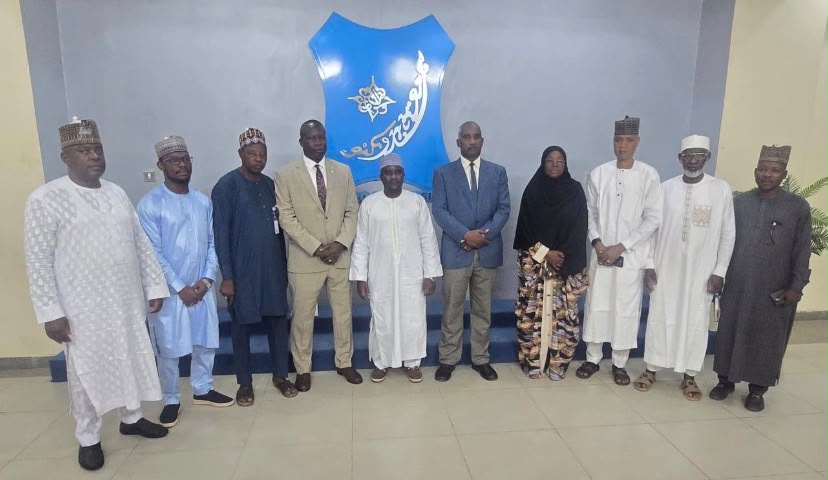
The EFCC delegation also engaged with the university’s management, represented by the Deputy Vice-Chancellor (Academic), Professor Ahmad Muhammad Sauni.
The commission maintained that sustained collaboration between educational institutions, anti-corruption agencies and young Nigerians would help strengthen public awareness and encourage responsible citizenship.
It reaffirmed its commitment to preventive education and youth participation as important components of the national campaign against economic and financial crimes.