
RismadarVoice Reporters
November 16, 2026
The Economic and Financial Crimes Commission (EFCC) has commenced a three-week capacity development programme for 227 management and senior officers of the Code of Conduct Bureau (CCB) to strengthen institutional efficiency and improve anti-corruption operations in Nigeria.
The training programme began on Monday, November 16, 2026, at the EFCC Academy in Karu, Abuja, with participants expected to undergo specialised instruction in leadership, investigation, financial intelligence and other professional disciplines.
Speaking at the opening ceremony, EFCC Chairman Ola Olukoyede, represented by the Acting Commandant of the EFCC Academy, Assistant Commander of the EFCC I, Joseph Ogwiji, described the programme as an important step in strengthening cooperation between the two agencies.
He said the partnership reflected their shared commitment to promoting integrity, accountability, transparency and good governance.
Olukoyede emphasised the importance of continuous professional development in equipping public officers with the knowledge required to address emerging challenges in corruption prevention and investigation.
The Chairman of the Code of Conduct Bureau, Abdullahi Usman Bello, commended the EFCC for supporting the bureau’s efforts to improve the professional competence of its personnel.

Bello explained that the training was organised following feedback from staff and the recognition that the bureau’s responsibilities had evolved over the years.
He identified professional orientation and discipline as essential priorities for improving institutional performance.
According to him, officers must receive adequate training to discharge their responsibilities effectively, particularly as the bureau adapts to changing operational demands.
He also urged participants to demonstrate discipline and apply the knowledge acquired during the programme to their official duties.
Similarly, a member of the CCB Board, Kenneth Ikpeme, encouraged the officers to take the training seriously, noting that continuous learning remained essential to effective public service.
Ikpeme stressed that the responsibilities facing the bureau required competent personnel capable of handling increasingly complex assignments.
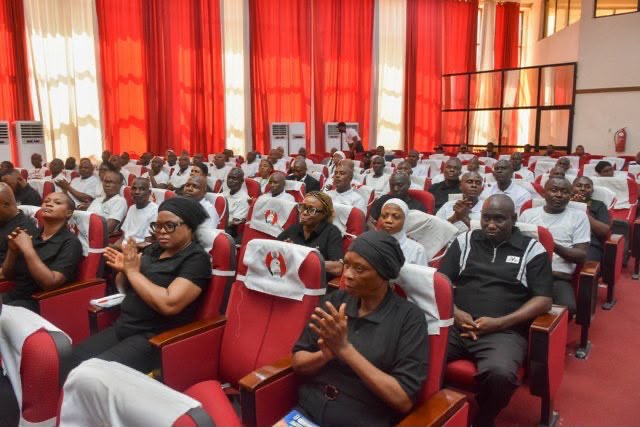
The programme covers leadership development, advanced investigation and case management, forensic intelligence, digital evidence, asset tracing and recovery, and financial analysis.
Participants are expected to acquire practical skills that will strengthen their investigative capabilities, improve decision-making and enhance the bureau’s operational effectiveness.
The initiative forms part of ongoing institutional collaboration between the EFCC and CCB to promote professionalism and strengthen mechanisms for preventing and addressing corruption in Nigeria.