RismadarVoice Reporters
November 11, 2026
The Democratic Republic of the Congo (DRC) has recorded 11,042 confirmed Ebola cases and at least 5,387 deaths as health authorities struggle to contain a major outbreak spreading across several parts of the country.
The latest figures, released by government authorities on Tuesday, November 10, indicate that the outbreak has become the largest and deadliest in the country’s history.
According to reports by Al Jazeera and Reuters, the epidemic is now the second-largest and second-deadliest Ebola outbreak recorded globally, surpassed only by the 2014–2016 West African epidemic.
That earlier outbreak infected more than 28,600 people and claimed over 11,000 lives.
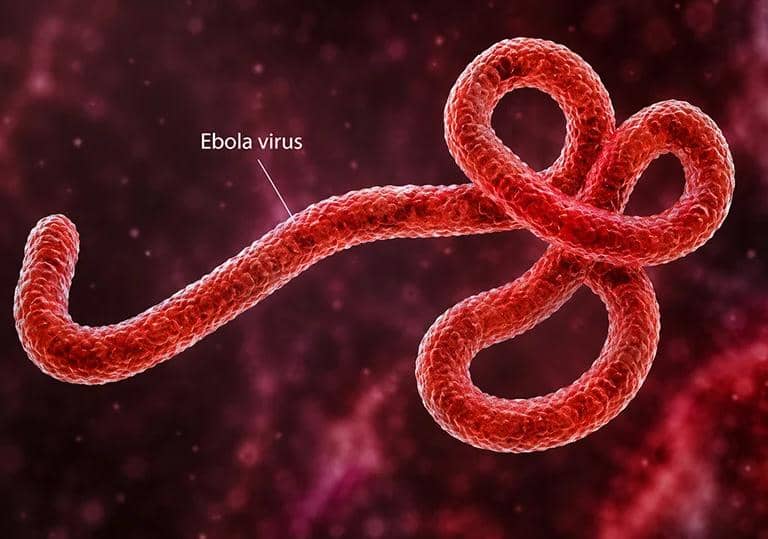
The ongoing outbreak in DR Congo is linked to the Bundibugyo species of the Ebola virus, a less common variant associated with severe illness and a high risk of death.

Health authorities reported that eight of the country’s 26 provinces have been affected, with many fatalities occurring outside designated treatment centres.
Efforts to control the outbreak have been complicated by delayed detection, insecurity in affected communities and pressure on healthcare facilities.
Armed conflict in parts of eastern DR Congo has further disrupted medical operations and complicated access to communities requiring emergency assistance.
The absence of a vaccine or treatment specifically developed and approved for the Bundibugyo virus has also presented significant challenges for health workers.
Earlier in November, the World Health Organisation approved clinical trials involving two experimental Ebola vaccines, with preliminary results expected in early 2027.
The trials are intended to support efforts to develop effective protection against the virus and strengthen responses to future outbreaks.
Meanwhile, health authorities are continuing surveillance, contact tracing and infection prevention measures to identify new cases and limit further transmission.
The outbreak has also raised regional health concerns as Ebola infections have been reported in East, Central and West Africa.

Ebola virus disease is a severe illness transmitted through direct contact with the blood or other bodily fluids of infected people and certain infected animals.
Symptoms can include fever, weakness, headache, vomiting and diarrhoea, while severe cases may involve bleeding and organ failure.
Public health authorities continue to emphasise early detection, isolation of suspected cases, protective measures for healthcare workers and safe handling of infected individuals.
The rising death toll highlights the difficulties facing health authorities as they attempt to contain the epidemic while maintaining essential medical services in conflict-affected communities.