RismadarVoice Reporters, May 26, 2026
The Nigerian National Petroleum Company Limited has opposed moves by the Dangote Petroleum Refinery and Petrochemicals to halt fuel importation into the country, warning that granting such requests could hand the refinery monopoly control of Nigeria’s downstream petroleum sector.
The national oil company made its position known in a counter-affidavit filed before the Federal High Court sitting in Lagos in response to a suit instituted by the Dangote refinery.
In the suit marked FHC/L/CS/857/2026, the refinery challenged the issuance of petrol import licences by the Nigerian Midstream and Downstream Petroleum Regulatory Authority to marketers and the NNPC.

Dangote refinery had argued that continued importation of petroleum products undermined local refining efforts despite claims that the refinery could meet over 90 per cent of Nigeria’s daily petrol demand.
The refinery also accused the NNPC and regulators of sabotaging its operations through fuel importation and alleged denial of adequate crude oil supply.
However, in its response, the NNPC described the suit as incompetent and premature, insisting that the refinery lacked the legal standing to seek restrictions on fuel imports.
According to the oil company, petroleum products from the Dangote refinery are already sold at “significantly high and fluctuating market prices” driven by commercial considerations.
NNPC warned the court that relying on a single supplier for national fuel supply posed serious risks to Nigeria’s energy security.
“Restricting importation channels in the manner sought by the plaintiff would expose Nigeria to severe risks of petroleum shortages, supply disruptions, price instability, distribution failures, and national energy crises,” the company stated.
The NNPC further argued that Dangote refinery had failed to provide independently verified evidence proving it could guarantee an uninterrupted nationwide supply of petroleum products.
It maintained that fuel supply obligations extend beyond refining capacity to include storage, logistics, evacuation, transportation and strategic reserve management.
The company also accused the refinery of attempting to eliminate competition in the downstream sector.
“The reliefs sought by the plaintiff are aimed at substantially restricting or eliminating other participants within the petroleum importation and supply chain,” the affidavit stated.
NNPC stressed that granting the requests could distort competition, destabilise pricing and expose consumers to market manipulation.
The company defended the continued issuance of import licences by regulators, insisting that such approvals remain lawful under the Petroleum Industry Act and are necessary to ensure supply stability and national energy security.
It also denied allegations that it deliberately frustrated the refinery’s operations or denied it a crude oil supply.
According to the NNPC, crude supply arrangements are determined by operational realities, security considerations, production levels, logistics and contractual obligations.

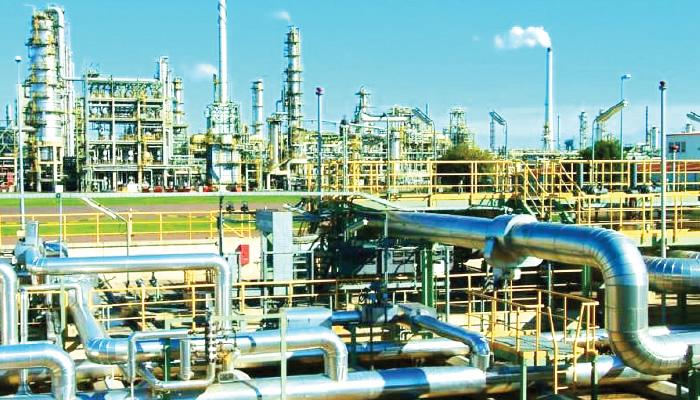
The latest legal dispute marks another major confrontation between the Dangote refinery and government oil agencies since the commencement of operations at the multi-billion-dollar Lekki-based facility owned by billionaire businessman Aliko Dangote.
Meanwhile, the Petroleum Products Retail Outlet Owners Association of Nigeria backed the NNPC’s position, insisting that healthy competition must be preserved in the downstream petroleum sector.
The National President of PETROAN, Billy Gillis-Harry, said competition remained essential for product availability, price moderation and market efficiency.
He warned against allowing monopoly control in the sector, regardless of the scale of investment by any operator.
“Nigeria’s downstream petroleum sector must remain open, competitive and balanced to prevent supply shocks and protect consumers from artificial scarcity or price exploitation,” he said.
While commending the Dangote refinery for boosting local refining capacity and creating jobs, Gillis-Harry maintained that multiple operators must continue to function fairly under government regulation.
He added that one of the key benefits of healthy competition was the reduction of fuel prices through competitive pricing.
On the other hand, the Crude Oil Refineries Association of Nigeria defended local refiners, arguing that investors who commit huge capital to refinery infrastructure have demonstrated long-term confidence in Nigeria’s petroleum sector more than fuel importers.
The association maintained that refining remains one of the most capital-intensive and risk-prone sectors in the oil industry due to challenges such as foreign exchange volatility, logistics constraints, crude supply uncertainty and policy inconsistencies.