RismadarVoice Reporters, August 19, 2026
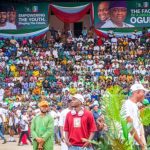
Campaigning for Nigeria’s 2027 presidential election officially begins on Wednesday, with the contest expected to focus heavily on the country’s economic hardship, insecurity and the impact of President Bola Tinubu’s economic reforms.
The election, scheduled for January 16, 2027, is expected to be closely watched in Africa’s most populous country, where millions of Nigerians continue to grapple with high living costs and persistent security challenges.
Tinubu, who was elected president in 2023, is seeking a second term after implementing a series of major economic reforms, including the removal of the petrol subsidy.

The policy, which economists and investors have largely welcomed, contributed to a sharp increase in living costs as the naira weakened and inflation climbed to about 34 per cent. Headline inflation has since eased to 15.4 per cent as of July.
Despite the recent moderation in inflation, poverty remains a major concern. The World Bank estimates that more than 60 per cent of Nigerians live below the poverty line, compared with about 40 per cent in 2019.
Economy dominates campaign.
Analysts say economic conditions are likely to be one of the most important issues shaping voters’ decisions.
“The economy is the biggest issue. That’s the one thing that cuts across different parts of the country, and it continues to affect security and development concerns,” said Afolabi Adekaiyaoja, author of the Nigerian politics newsletter The Bellwether.
The country has also continued to battle multiple security threats, including jihadist insurgencies, armed banditry, clashes between farmers and herders, kidnappings and separatist violence.
According to Ladd Serwat, a senior Africa analyst at conflict monitor ACLED, violence has increased since 2024, driven largely by the expansion of armed banditry across northern and central Nigeria and renewed conflict in Borno State, the centre of the country’s jihadist insurgency.
Tinubu is widely regarded as one of Nigeria’s most experienced political strategists. His All Progressives Congress currently controls the National Assembly and 31 of the country’s 36 state governorships.

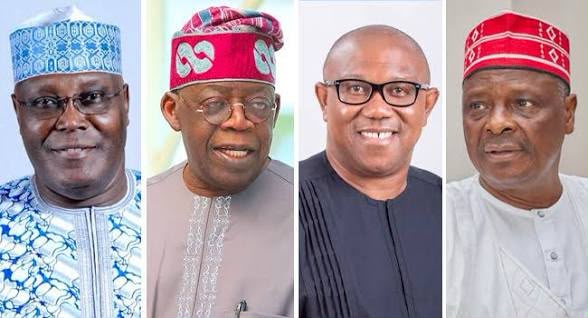
The president will face several familiar opponents in what is expected to be a partial repeat of the 2023 presidential election.
Former Anambra State governor Peter Obi and former Vice-President Atiku Abubakar are again expected to challenge Tinubu.
Tinubu won the 2023 election with 36.6 per cent of the vote, while Abubakar secured 29 per cent and Obi received 25 per cent.
Rabiu Kwankwaso, who finished with about six per cent in 2023, has now aligned with Obi and is expected to serve as his running mate.
However, analysts say divisions within the opposition could work to Tinubu’s advantage.
“The opposition has been too mired in internal and legal issues to really articulate a difference” between their policies and those of the president, Adekaiyaoja said.
Some voters remain supportive of Tinubu despite the economic difficulties.
Afolayan Abdullahi, a 42-year-old civil servant, said the economy and cost of living were his biggest concerns but indicated that he planned to vote for the incumbent.
Security concerns could also affect voter participation, particularly in areas affected by violence.
Becky Alegbe, a 28-year-old street vendor in Abuja, said she was concerned about travelling to her home village in Edo State, where she is registered to vote.

“Nigeria is not safe; terrorists, kidnappers, bandits everywhere,” she said.
Alegbe said the increased cost of transportation and fears over her safety could prevent her from making the journey to vote. She also expressed concerns about vote-buying, which has been a recurring issue in Nigerian elections.
Voter participation was already low during the 2023 presidential election, when turnout stood at just 27 per cent.
With economic hardship, insecurity and political divisions expected to dominate the campaign, the 2027 election is likely to test both the popularity of Tinubu’s reforms and the ability of the opposition to present a credible alternative.