RismadarVoice Reporters, September 1, 2026
The UK Government is converting prison laundries, offices and storerooms into accommodation for inmates as it struggles to address overcrowding across the country’s prisons.
Justice Secretary Alex Norris has committed £110 million to identify and convert existing spaces in prisons to create additional capacity.
The move comes as overcrowding continues despite the Government’s early-release programme, which has already freed thousands of prisoners.

Junior Justice Minister Alex Davies-Jones admitted on Monday that prison space was now “very tight”, with male prisons operating at about 98 per cent of capacity and fewer than 1,700 places remaining.
The Government had initially planned to release about 6,000 prisoners early, but the figure has now been reduced to around 4,500 after approximately 1,000 rapists, child sex offenders and groomers were excluded from the scheme.
Another 500 serious offenders, including those convicted in the killing of Police Constable Andrew Harper, have also been excluded from the next round of early releases scheduled to begin in October.
Prison experts have urged the Ministry of Justice to take more creative measures to increase capacity, noting that the next major prison facility, the 1,700-capacity HMP Welland Oaks in Leicestershire, is not expected to open until 2029.
Ian Acheson, a former prison governor and government adviser, said the measures should have been initiated much earlier.
He called for an independent audit of prison capacity, emergency construction and refurbishment, as well as the redeployment of trained staff to prisons facing shortages.

Acheson claimed that at least eight prison wings were currently mothballed because of insufficient staffing and suggested that trained prison officers and governors working in non-operational roles at prison service headquarters should be redeployed.
However, Mark Fairhurst, chairman of the Prison Officers’ Association, warned that creating additional accommodation without providing sufficient staff could create further problems.
He said the union would not support increasing the number of prisoners beyond a prison’s operational capacity, which is the number of inmates a facility can safely accommodate while maintaining security and proper daily routines.
The staffing challenge has already affected newer facilities.
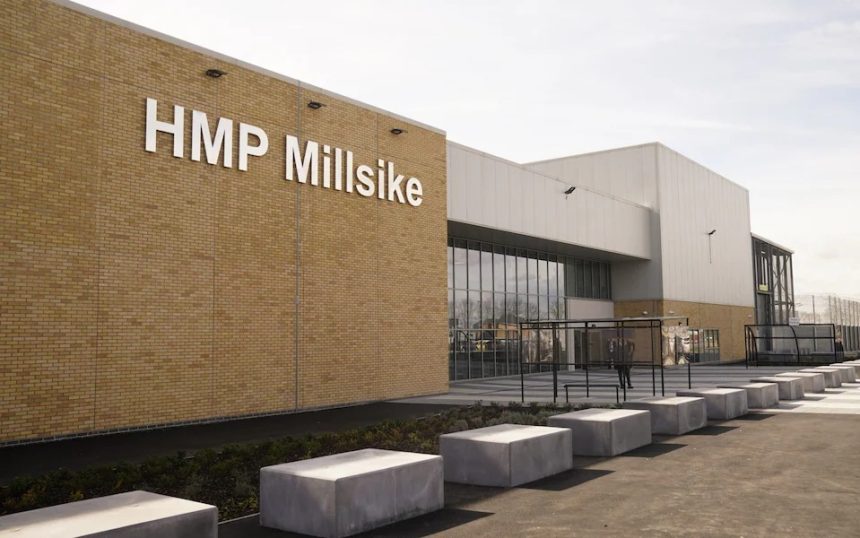
HMP Millsike in North Yorkshire, a £400 million prison, reportedly has space for about 350 prisoners that remains unused because of difficulties recruiting enough prison officers.

The facility’s operational capacity has been set at about 1,100 inmates, significantly below its planned capacity of nearly 1,500.
The Government has pledged to create 14,000 additional prison places by 2031.
Norris also announced that the Government had signed a contract allowing the first phase of work to begin on a new 1,700-capacity prison in Lancashire.
The facility, however, is not expected to open until 2031 following a four-year legal dispute over its construction.
The Government says it has already delivered more than 3,200 prison places in two years and plans to accelerate the construction of thousands more places for dangerous offenders.
Norris said the Government would also invest in acquiring land for potential future prison sites to establish a longer-term pipeline for prison construction.

Meanwhile, concerns have emerged over plans to abolish indefinite Imprisonment for Public Protection (IPP) sentences.
The proposal, which has been linked to efforts to create hundreds of additional prison places, could affect more than 2,200 offenders currently serving IPP sentences.
The sentences were designed for offenders considered to pose a continuing risk to the public and have largely been imposed for violent and sexual offences.
However, a Labour justice minister previously warned that resentencing some IPP prisoners could result in many being released without probation supervision, potentially creating an “unacceptable risk” to the public.
The Conservative Party has questioned the Government’s decision to exclude some serious offenders from the early-release scheme, claiming that certain child sex offenders could still qualify for release from October.
The party identified 23 categories of serious offenders who it said could remain eligible, including individuals convicted of assault by penetration, child sexual offences and sexual assault.
Other serious offences listed include grievous bodily harm, threats to kill, kidnapping, intentional strangulation and controlling or coercive behaviour linked to domestic abuse.

The Ministry of Justice, however, said child rape had been excluded and that most sexual offences would fall under existing exceptions.
The Government has blamed the previous Conservative administration for failing to create enough new prison capacity.
Despite a pledge to deliver 10,000 additional prison places, the previous government created a net increase of only about 500 places because many older prison cells were decommissioned during the same period.