




RismadarVoice Reporters
October 8, 2026
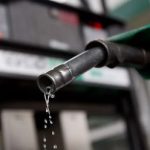
Former Vice President and African Democratic Congress (ADC) presidential candidate, Atiku Abubakar, has criticised the Federal Government’s proposed 30-day petrol discount, arguing that the temporary intervention will not provide sustainable relief from Nigeria’s rising cost of living.
Atiku expressed his position in a statement issued on Thursday by the Director of Strategic Communication of the ADC Presidential Campaign Council, Phrank Shaibu.
He questioned the effectiveness of the initiative, warning that Nigerians could face the same high fuel prices and transportation costs once the 30-day discount period expires.
The Federal Government had announced plans to introduce discounted petrol sales at Nigerian National Petroleum Company Limited (NNPCL) filling stations, with priority given to public transport operators.
The Minister of Finance and Coordinating Minister of the Economy, Taiwo Oyedele, explained that the initiative would initially last 30 days and would not constitute a return to the previous petrol subsidy arrangement.

According to the minister, NNPCL would sell petrol at cost during the intervention period to provide temporary relief to consumers.
However, Atiku argued that the government had not adequately explained how the proposed discount would translate into meaningful savings for ordinary Nigerians.
He questioned the restriction of the programme to NNPC Ltd stations, noting that many motorists purchase fuel from privately operated outlets.
The former Vice President also raised concerns over the absence of a clearly stated discount per litre and the lack of an established mechanism to ensure that public transport operators pass any savings on to passengers through reduced fares.
Atiku maintained that the intervention would have limited impact if transportation costs remained unchanged despite cheaper petrol being made available to selected operators.
He further argued that the government’s approach failed to address the structural factors responsible for high fuel prices and the broader cost-of-living pressures affecting households and businesses.
The ADC presidential candidate reiterated his proposal for a capped, budgeted support programme linked to domestically refined petroleum products.
He said such an arrangement should include transparent safeguards to ensure that financial support reaches consumers while encouraging investment in local refining capacity.
Atiku maintained that any intervention designed to reduce petrol prices should be sustainable, properly funded and supported by measures capable of delivering lasting economic benefits.

“Nigerians need lasting relief, not a countdown to the return of hardship,” he said.
He urged the Federal Government to prioritise long-term solutions that would reduce fuel and transportation costs beyond the proposed 30-day period.
The government’s stated position remains that the temporary discount is intended to ease immediate financial pressure without reinstating the previous petrol subsidy system.
The disagreement highlights contrasting approaches to managing fuel costs, with the Federal Government proposing a time-limited intervention and Atiku advocating a longer-term support framework tied to domestic refining.