RismadarVoice Reporters
November 20, 2026
Myanmar’s government has rejected a landmark judgment by the International Court of Justice (ICJ) finding the country responsible for genocide against the Rohingya Muslim minority during military operations in 2017.
Presidential spokeswoman Khaing Khaing Soe described the ruling as unfair during a press conference in Naypyitaw on Friday, November 20, arguing that the judges were divided in their decision.
The judgment, delivered on Thursday, November 19, found that Myanmar violated its obligations under the 1948 Convention on the Prevention and Punishment of the Crime of Genocide.
The court’s principal finding that Myanmar committed genocide was adopted by nine votes to six.

Myanmar maintained that its military operations in Rakhine State were directed against insurgents, rejecting allegations that its security forces deliberately targeted the Rohingya population.
However, the ICJ concluded that Myanmar’s military committed genocidal acts during the 2017 clearance operations in northern Rakhine State.
The court examined evidence of mass killings, sexual violence and widespread destruction of Rohingya communities, alongside other acts committed with the intent to destroy a substantial part of the minority group.
The proceedings followed a case filed by The Gambia in November 2019, alleging that Myanmar had breached its obligations under international law.
In its judgment, the ICJ ordered Myanmar to take effective steps to investigate suspected perpetrators and prosecute those responsible where warranted.

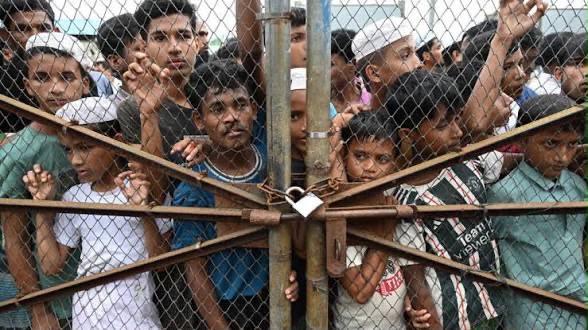
It also directed the country to facilitate the safe, voluntary and dignified return of displaced Rohingya, including those who fled to neighbouring Bangladesh.
Myanmar was further ordered to provide compensation for damage caused by the violations, with the amount and arrangements to be determined during a subsequent phase of proceedings.
The court required Myanmar to submit a report within two years detailing restitution measures and proposed compensation arrangements.
The Gambia welcomed the decision, describing it as a significant development for international justice and accountability.
United Nations Secretary-General António Guterres also welcomed the judgment, saying it recognised the suffering of Rohingya victims.
The ruling marks the first time the ICJ has found a state responsible for committing genocide.
Although the judgment is final and binding, questions remain over Myanmar’s willingness to implement the orders and the international community’s ability to secure compliance.