RismadarVoice Reporters
November 19, 2026
The Federal Government of Nigeria has signed an agreement with Chinese automotive manufacturer Yutong and Nigerian partner YP Automobile to introduce compressed natural gas (CNG) buses and establish local assembly operations in Nigeria.
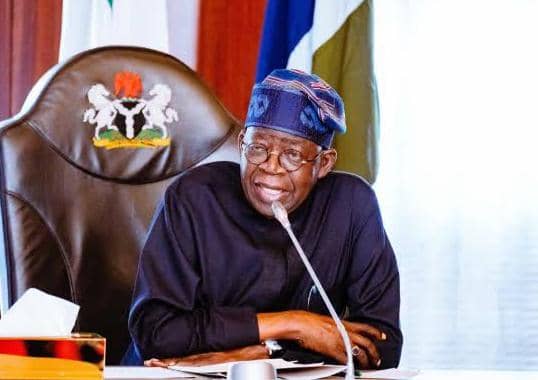
The agreement, signed in Lagos on Thursday, November 19, forms part of President Bola Tinubu’s efforts to expand affordable public transportation and reduce fares by approximately 40 per cent on participating routes.
The initiative will operate under the National Affordable CNG Transit Programme (NACTP), in collaboration with state governments and transport operators.
According to a statement issued by presidential spokesperson Bayo Onanuga, Yutong is expected to supply an initial 300 CNG-powered buses.
The first batch of 100 buses is scheduled to arrive in Lagos before the end of December 2026, while subsequent vehicles will be assembled locally.
The proposed assembly operation will be undertaken through YP Automobiles Bus Assembly at the former Leyland Automotive facility in Ibadan, Oyo State.
The government said the investment would strengthen domestic vehicle manufacturing, encourage technology transfer and create employment opportunities for engineers, technicians and other skilled workers.
Tinubu welcomed the partnership, describing it as an important step towards reducing dependence on imported commercial buses and improving Nigeria’s industrial capacity.
He maintained that the adoption of CNG-powered vehicles could lower operating expenses for transport companies, provided the savings are passed on to passengers.
The President said the government’s priority was to reduce the financial burden on workers, traders and families who depend on public transportation.
He linked the proposed 40 per cent fare reduction to his administration’s Renewed Hope Agenda 2.0 for 2027–2031.
The government also highlighted ongoing efforts to expand CNG refuelling infrastructure through the Presidential Initiative on CNG and Electric Vehicles, private investors and the Midstream and Downstream Gas Infrastructure Fund.
These interventions include mobile refuelling facilities and a directive to provide 2,000 additional CNG refuelling infrastructure units nationwide.

However, the government has not disclosed the total investment value, the commencement date for local assembly or a detailed timetable for achieving the proposed fare reductions.
The project’s impact will depend on vehicle deployment, refuelling infrastructure, operating costs and effective coordination with transport operators.
Tinubu maintained that the programme’s success should ultimately be measured by the savings realised by Nigerian commuters.