RismadarVoice Reporters
November 16, 2026
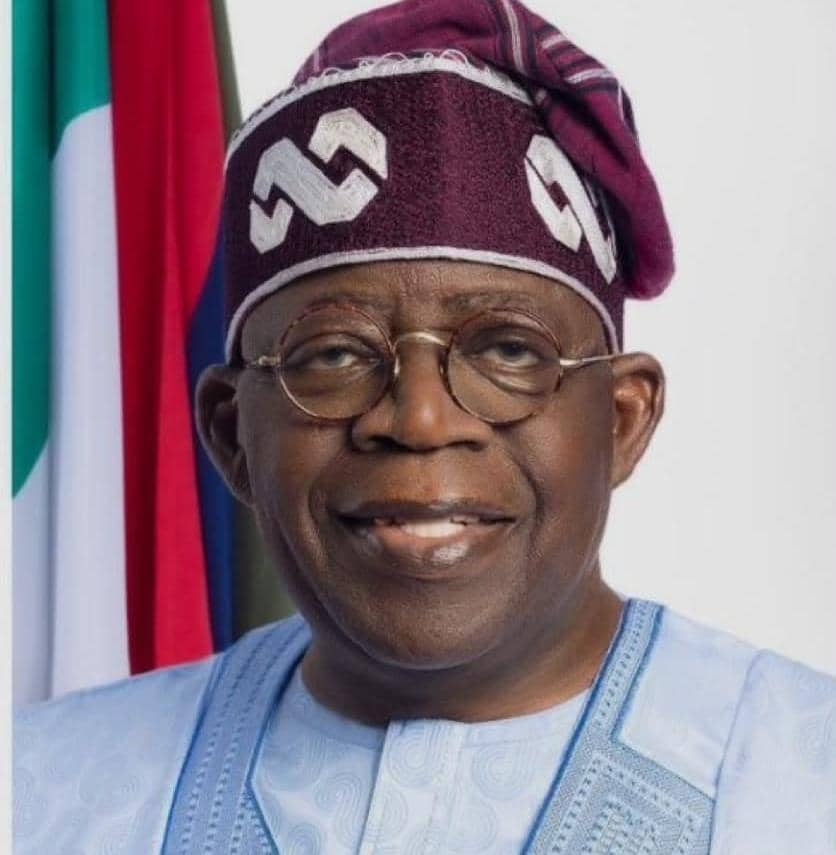
President Bola Ahmed Tinubu has congratulated Nigeria on its re-election to the Council of the International Telecommunication Union (ITU), describing the development as a significant diplomatic achievement for the country.
Nigeria secured 121 votes during the ITU Plenipotentiary Conference in Doha, Qatar, on Monday, November 16, retaining its seat on the organisation’s 48-member governing Council for the 2027–2030 term.
In a statement issued by his Special Adviser on Information and Strategy, Bayo Onanuga, the President said the outcome reflected Nigeria’s growing participation in international telecommunications governance, digital innovation and information and communication technology development.
Tinubu urged the country’s representatives to use the renewed mandate to strengthen international cooperation, promote inclusive digital transformation and advance Nigeria’s interests in global telecommunications policy.
He commended the Minister of Foreign Affairs, Ambassador Bianca Odumegwu-Ojukwu, for coordinating Nigeria’s diplomatic engagements ahead of the election.
The President also praised the Minister of Communications, Innovation and Digital Economy, Dr Bosun Tijani, who led the Nigerian delegation to the conference.

Other officials recognised included Nigeria’s Ambassador to Qatar, Professor Mahmood Yakubu, who served as Deputy Head of Delegation, and the Executive Vice Chairman of the Nigerian Communications Commission (NCC), Dr Aminu Maida.
Tinubu further acknowledged Nigeria’s Permanent Representative to the United Nations Office in Geneva, Ambassador Innocent Imejuo, alongside officials of the relevant ministries, diplomatic missions and telecommunications agencies.
According to the ITU’s official election results, Nigeria was among 13 African countries elected to the Council, alongside Ghana, Kenya, South Africa, Egypt and other member states.
Established in 1865 and headquartered in Geneva, Switzerland, the ITU is the United Nations specialised agency responsible for information and communication technologies.
Its Council oversees organisational activities, telecommunications policies, strategic planning and financial management between Plenipotentiary Conferences.

Nigeria’s continued membership provides opportunities to participate in international decisions concerning digital connectivity, telecommunications standards, spectrum management and emerging technologies.
The President encouraged the delegation to translate the country’s renewed representation into meaningful contributions to international digital development and stronger cooperation with other member states.