RismadarVoice Reporters
October 28, 2026
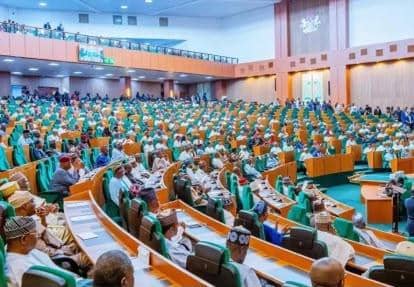
The House of Representatives has passed, for second reading, a bill seeking to establish a Federal College of Nursing and Midwifery in Ifako/Ijaiye Local Government Area of Lagos State.
The proposed institution is intended to expand professional healthcare training, strengthen nursing and midwifery education and address the shortage of qualified medical personnel in Nigeria.
The bill, sponsored by Benjamin Olabinjo, who represents Ifako/Ijaiye Federal Constituency, was considered during plenary on Wednesday.

Leading the debate, Olabinjo said the proposed college would increase opportunities for aspiring healthcare professionals while improving the availability of nurses and midwives in hospitals and other medical facilities.
He expressed concern over the continued migration of Nigerian healthcare workers to countries such as the United Kingdom, Canada and the United States.
According to the lawmaker, the movement of trained professionals abroad has increased pressure on Nigeria’s healthcare system, making additional investment in training institutions necessary.
Olabinjo maintained that nurses and midwives were essential to effective healthcare delivery, particularly in maternal and child health services.
He argued that expanding access to professional training would help strengthen the country’s healthcare workforce and improve patient care.
Under the proposed legislation, the college would provide training and research opportunities in general nursing, midwifery and related specialities.
It would also offer professional certificates, diplomas, degrees and post-basic qualifications, subject to applicable educational and professional accreditation requirements.
The institution would be empowered to conduct examinations, organise academic programmes and provide continuing education for practising healthcare professionals.
The proposed administrative structure includes a governing council, a School of Nursing, a School of Midwifery and principal officers responsible for academic and administrative operations.
Olabinjo said establishing the institution in Lagos would help address growing demand for healthcare training, particularly among young people unable to secure admission into existing institutions.

He added that the college could create employment opportunities for lecturers, administrators and support personnel while supporting businesses within the host community.
The lawmaker also highlighted the potential contribution of additional nursing and midwifery training facilities to reducing preventable maternal and newborn deaths.
He urged his colleagues to support the legislation, stressing that improving healthcare delivery required sustained investment in the professionals responsible for frontline medical services.
Following its passage through second reading, the bill will undergo further legislative scrutiny before returning to the House for subsequent consideration.
The proposed college has not yet been established. Its creation will require completion of the legislative process, including consideration by both chambers of the National Assembly and presidential assent.