RismadarVoice Reporters
October 9, 2026
The Lagos State Government has raised concerns over the shortage of mental health professionals and treatment facilities in Nigeria, calling for increased investment in preventive healthcare and stronger support systems for young people.
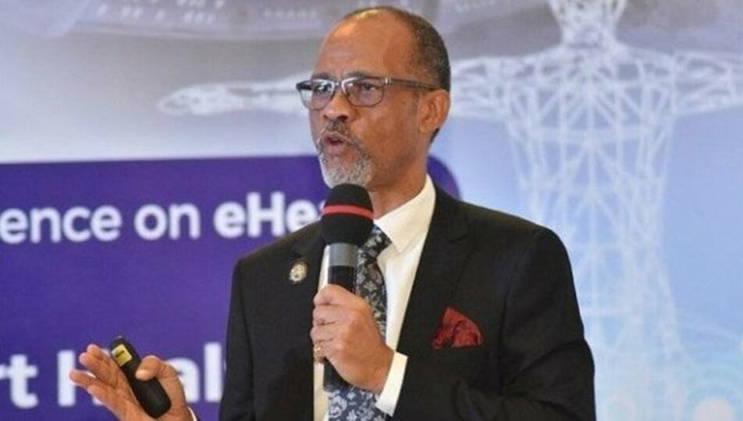
The state Commissioner for Health, Prof. Akin Abayomi, raised the concern at the fourth Mental Health Summit held in Lagos under the theme, “Advancing Youth Mental Health in Nigeria.”
Represented by the Director of Special Projects and Mental Health at the Lagos State Ministry of Health, Abayomi said Nigeria lacked adequate psychiatric treatment facilities, hospital beds and qualified specialists to address the mental health needs of its population.

“We don’t have enough beds to manage mental illnesses. We don’t have enough specialists to manage mental illnesses,” he said.
The commissioner observed that more young Nigerians were becoming comfortable discussing anxiety, emotional distress and other mental health challenges, particularly through social media.
He described the growing openness as an opportunity to strengthen mental health awareness, improve access to professional support and encourage early intervention.
However, Abayomi expressed concern about the influence of excessive screen time and exposure to social media content on children’s perceptions, expectations and behaviour.
He explained that young people could develop unrealistic expectations when comparing their circumstances with those of individuals living in different economic, social and cultural environments.
Using the example of a child living in Yaba, Lagos, comparing their lifestyle with that of a child in California, United States, he stressed the importance of helping young people understand their immediate environment.
The commissioner also identified declining opportunities for practical social learning as a concern, urging parents, teachers and community institutions to take greater responsibility for children’s social and emotional development.
According to him, young people require guidance that equips them with the knowledge, resilience and interpersonal skills needed to navigate everyday challenges.
“Our children are lacking social intelligence and emotional intelligence. The people who are supposed to teach them are no longer teaching them,” he said.
Abayomi emphasised that mental health promotion should extend beyond treating diagnosed psychiatric conditions to preventing problems and strengthening emotional well-being.
He explained that experiencing poor mental health did not necessarily mean an individual had developed a mental illness, although persistent difficulties could increase vulnerability to certain conditions.
The commissioner advocated greater access to mentorship, counselling, mental health education and professional support services, particularly for children and adolescents experiencing emotional or psychological difficulties.
He also called for mental health information to be presented in accessible language that young people could understand and apply to their daily lives.

Abayomi reaffirmed the Lagos State Government’s commitment to improving mental healthcare under Governor Babajide Sanwo-Olu’s administration.
He urged healthcare institutions, educational authorities, parents and other stakeholders to prioritise preventive interventions while strengthening accountability in the delivery of mental health services.
The commissioner maintained that improving mental well-being would require coordinated efforts to expand treatment capacity, increase the availability of qualified professionals and equip young Nigerians with the skills needed to manage life’s challenges.