

RismadarVoice Reporters
October 9, 2026
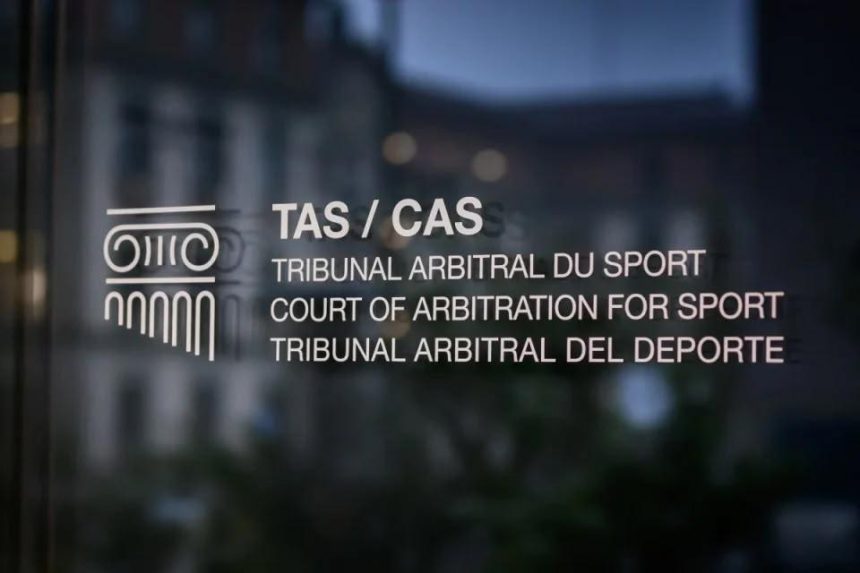
The Court of Arbitration for Sport (CAS) has opened proceedings into Senegal’s appeal against the Confederation of African Football’s (CAF) decision to overturn the country’s Africa Cup of Nations final victory and award the title to Morocco.
The hearing began on Thursday in Lausanne, Switzerland, as Senegal seeks to reverse the controversial ruling that stripped it of the championship.
Senegal originally defeated tournament hosts Morocco through an extra-time goal by Pape Gueye in a final overshadowed by a dispute over a late penalty awarded to the Moroccan side.
Several Senegalese players temporarily left the pitch in protest against the decision before returning approximately 20 minutes later.
Morocco’s Brahim Diaz subsequently missed the penalty, allowing Senegal to remain in contention before securing victory in extra time.
However, CAF overturned the result in March 2026, awarding Morocco a 3-0 victory after determining that Senegal had breached competition regulations by leaving the field without the referee’s permission.

Senegal rejected the ruling and subsequently approached CAS, challenging the legal and procedural basis for reversing the result.
Thursday’s opening session lasted more than five hours and was conducted behind closed doors.
CAS Director General Matthieu Reeb acknowledged the prolonged uncertainty surrounding the dispute, indicating that proceedings could extend over several days or weeks.
Senegalese Football Federation President Abdoulaye Sow expressed confidence that the arbitration process would examine the matter in accordance with applicable sporting regulations.
Sow described the dispute as significant to the integrity and reputation of African football.
Representatives of Morocco declined to comment following the opening hearing.
The Senegalese federation has maintained that CAF’s decision was unjustified, arguing that the circumstances surrounding the temporary interruption of play should have been considered before the original result was overturned.
Sports law researcher Thibault Ulrich of the University of Lausanne also questioned the proportionality of CAF’s decision.
Ulrich argued that the disciplinary ruling appeared to give insufficient consideration to the referee’s decision to resume the match and allow it to proceed to completion.
The dispute has consequently raised competing questions about the authority of match officials, the interpretation of CAF competition regulations and the circumstances under which an administrative decision can alter an on-field result.
Although football regulations generally recognise the authority of referees over decisions made during matches, the extent to which that principle applies to alleged competition-rule violations remains central to the dispute.
The controversy has also generated wider scrutiny of CAF’s administration.
On March 18, the Senegalese government called for an investigation into allegations of corruption within the continental football governing body.
The dispute attracted further attention following the dismissal of Djiboutian lawyer Yassin Robleh, who had reportedly overseen aspects of CAF’s integrity procedures for six years.

CAF did not publicly provide an explanation for the dismissal, and no established connection between that decision and the AFCON ruling has been demonstrated.
Senegalese players had earlier displayed the championship trophy to supporters in Paris despite CAF’s subsequent decision to award the title to Morocco.
CAS is expected to examine the arguments and evidence presented by the parties before determining whether CAF’s decision should be upheld, amended or overturned.
Until a final ruling is delivered, the legal dispute over the championship remains unresolved.