RismadarVoice Reporters
October 7, 2026
The World Bank has warned that persistently high fuel prices could slow Nigeria’s progress in reducing poverty, even as the country is projected to record stronger economic growth and lower inflation.
In its latest Africa Economic Update, the World Bank projected Nigeria’s economy to grow by 4.3 per cent in 2026, compared with 4.0 per cent in 2025. Growth is expected to average 4.4 per cent in 2027 and 2028.
The bank attributed the improved outlook to greater macroeconomic stability, stronger investor confidence and a gradual recovery in private-sector investment.

It said the services sector, particularly financial services, information and communication technology and real estate, was expected to remain a major driver of economic activity.
Agriculture is also projected to recover in 2026, while industrial growth could moderate because of weaker momentum in oil production and manufacturing.
The World Bank projected Nigeria’s inflation rate to fall from 23.0 per cent in 2025 to 15.7 per cent in 2026 and further to 12.2 per cent by 2028.
According to the bank, easing inflation could strengthen household purchasing power and support a gradual reduction in poverty.
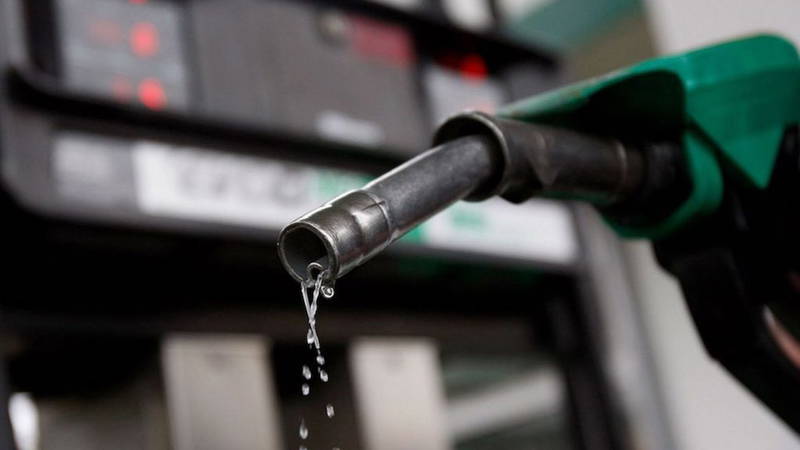
However, it warned that elevated fuel prices linked to the continuing Middle East conflict could weaken those gains, with poorer households particularly vulnerable to increases in transportation and other living costs.
At the same time, higher global oil prices could strengthen Nigeria’s government revenue and external position because of the country’s status as an oil exporter.
The bank projected Nigeria’s current account surplus to rise from 4.8 per cent of Gross Domestic Product in 2025 to 6.0 per cent in 2026 before declining to 3.4 per cent by 2028 as oil prices stabilise and demand for imports increases.
The report identified tighter global financial conditions, a prolonged Middle East conflict, insecurity, climate-related shocks and disruptions to domestic oil production among the major risks facing the Nigerian economy.


It also warned that increased government spending ahead of the 2027 general elections could weaken the momentum of ongoing economic reforms and complicate efforts to maintain macroeconomic stability.
Beyond the immediate economic outlook, the World Bank highlighted the growing adoption of artificial intelligence in Nigeria and Kenya.
It said 44 per cent of surveyed firms employing at least 20 people in the two countries reported using AI technologies, compared with 61 per cent of surveyed firms in the United States.
The bank, however, said the depth of AI adoption across African economies remained limited.
It identified unreliable electricity supply, inadequate internet connectivity, high data and device costs and insufficient computing infrastructure as major barriers that could prevent African economies from fully capturing the productivity benefits of artificial intelligence.