RismadarVoice Reporters
September 22, 2026
At least 10 people have died, and 21 others were injured after a gold mine collapsed in northern Sudan, highlighting the dangers confronting workers in the country’s largely informal mining sector.
The incident occurred on Sunday at the Awny mining area near Sudan’s border with Egypt. According to survivors who spoke to the AFP news agency, miners recovered 10 bodies and rescued 21 injured workers from the site, while efforts continued to locate people believed to be trapped underground.
The exact number of people still missing was not immediately known.
The latest disaster came only days after another mine collapse in West Kordofan State killed at least 82 people. The accident occurred at the al-Zaraa mine near En-Nahud in central Sudan.

Sudan is one of Africa’s major gold-producing countries. Government figures put the country’s gold output at about 70 tonnes in 2025.
Gold has become increasingly important to Sudan’s economy since fighting erupted in April 2023 between the Sudanese Armed Forces and the paramilitary Rapid Support Forces.
The conflict has devastated businesses, disrupted agriculture, displaced millions and weakened the formal economy, leaving gold as one of the country’s key sources of income.
Local reports said Sudan’s gold production reached 64 tonnes in 2024, up from 41.8 tonnes in 2022. Legal gold exports reportedly generated about $1.57 billion in revenue in 2024.
However, the sector has also faced scrutiny over smuggling and illicit trading networks, with a significant portion of Sudanese gold reportedly leaving the country outside official channels.

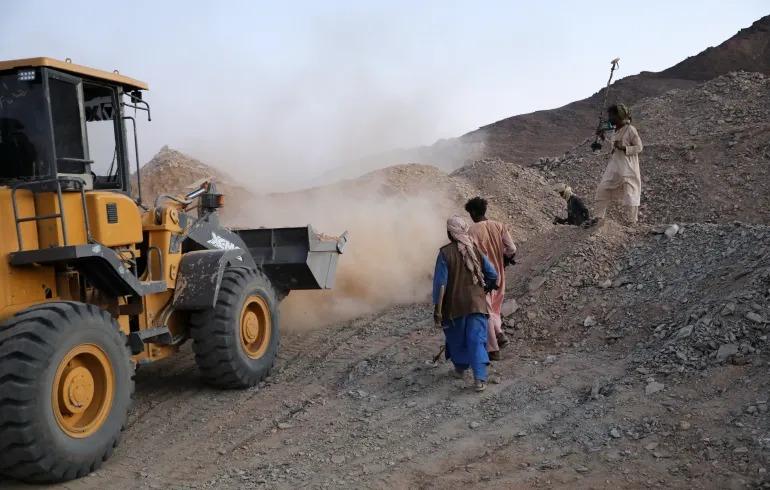
Joseph Tucker, a senior analyst on the Horn of Africa at the International Crisis Group, said much of Sudan’s gold was being extracted through informal and artisanal operations that often lack adequate regulation and modern mining technology.
He described the latest collapse as another example of the dangerous conditions confronting workers in the sector, particularly those operating in remote areas without proper infrastructure and specialised safety equipment.
The mining sector has also become entangled in the wider economic and diplomatic consequences of Sudan’s war. Sudan has accused the United Arab Emirates of supporting the RSF through gold-related networks, allegations the UAE has denied.
Despite the risks, worsening economic conditions have continued to push more Sudanese towards gold mining.

The Sudanese pound has lost significant value since the war began. Before the conflict, about 570 pounds traded for one US dollar, while by April 2026, the exchange rate had fallen to more than 3,500 pounds to the dollar.
The currency collapse has contributed to rising food, transport and fuel costs.
The United Nations Development Programme estimated that Sudan lost $6.4 billion in gross domestic product in 2023 alone, equivalent to about a quarter of the country’s GDP that year. The agency also reported in August that about 90 per cent of farmers had experienced declining yields over the previous year.
Tucker said the economic crisis was increasing demand for gold and encouraging miners to accept hazardous working conditions in search of income.
Sudanese authorities have announced efforts to strengthen regulation of traditional mining and improve oversight of mineral markets. Officials have also raised concerns about environmental damage and public health risks associated with mining activities.
However, the latest mine collapses have renewed questions about whether existing regulations and safety measures are sufficient to protect workers in Sudan’s gold-producing regions.