

RismadarVoice Reporters
September 19, 2026
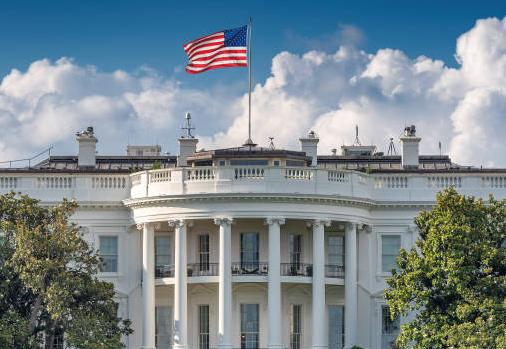
US President Donald Trump’s decision to bar CNN, MS NOW and Politico from the White House took effect on Saturday, with journalists from the three organisations reporting that they were denied access to the grounds.
The development followed Trump’s announcement on Friday that the outlets would be barred “effective immediately” because of coverage he described as “fake news.” He did not identify a single report as the reason, instead saying his decision resulted from accumulated coverage over several years.
MS NOW reporter Akayla Gardner said her White House press credential failed when she attempted to enter on Saturday and that security personnel subsequently collected it. The organisation said another member of its team also lost access.

CNN said its journalists were similarly denied entry, while reports indicated that Politico personnel were also turned away.
OUTLETS CHALLENGE BAN
The affected organisations have rejected the restriction and maintained that they will continue reporting on the Trump administration.
CNN described the action as an unlawful interference with its journalists’ constitutional rights, while MS NOW said it would take steps to defend its First Amendment protections and the role of independent journalism.
The White House Correspondents’ Association also defended the affected journalists, saying news organisations should not be singled out for carrying out their reporting duties.
LEGAL QUESTIONS EXPECTED
The restriction is expected to face scrutiny over the First Amendment and previous court decisions governing journalists’ access to the White House.
In the 1977 case Sherrill v. Knight, a federal appeals court held that where White House press facilities have been opened to journalists, access cannot be denied arbitrarily and established procedural protections apply.
Trump also faced a press-access dispute during his first term after the White House suspended the credential of a correspondent in 2018. A federal judge subsequently ordered the credential restored while the case proceeded.
More recently, litigation involving restrictions on another news organisation’s access has further highlighted the distinction between access to generally available White House press facilities and more limited presidential spaces or events.
Trump, when questioned about the possibility of a legal challenge to the latest ban, defended his action and maintained that the government should be able to restrict access for organisations he believes repeatedly publish false reports.

BAN DOES NOT PREVENT COVERAGE
The restriction concerns physical access to the White House and does not prevent the three organisations from continuing to report on Trump, his administration or the federal government.
The precise constitutional limits of the latest restriction have not been finally determined by a court. The affected outlets argue that excluding them because of their coverage violates First Amendment protections, while Trump maintains that his administration has authority to control physical access to the White House.
Any definitive determination of whether the current ban is lawful would depend on the specific access restrictions imposed, the government’s stated justification and, if challenged, subsequent judicial rulings.