RismadarVoice Business
September 18, 2026
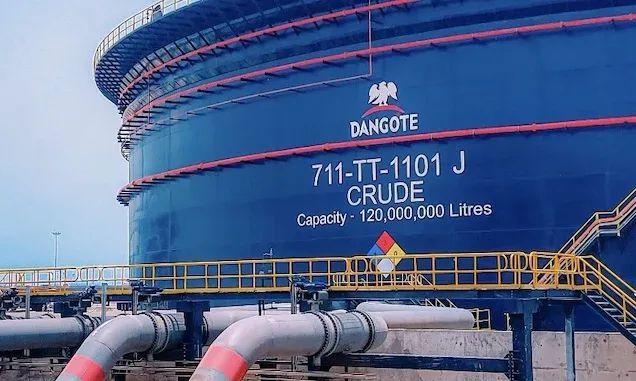
Dangote Petroleum Refinery sourced about 60 per cent of its crude oil feedstock from Nigeria in the 12 months ended June 30, 2026, while relying on international markets for the remaining 40 per cent, according to disclosures in its initial public offering prospectus.
The refinery processed approximately 26.4 million metric tonnes of crude during the period, equivalent to about 193.5 million barrels using a standard conversion of 7.33 barrels per metric tonne. On that basis, its Nigerian crude supply is estimated at 116 million barrels.
Domestic supplies came through term arrangements with NNPC Limited, including the Federal Government’s crude-for-naira programme, as well as purchases from international oil companies and Nigerian producers.
The prospectus did not specify how much of the estimated local volume was supplied individually by NNPC, international oil companies or other domestic producers.
Under its domestic crude supply arrangements with NNPC, the refinery said it could access up to 350,000 barrels per day, subject to availability.
The crude-for-naira arrangement also allows eligible purchases to be settled in local currency, potentially reducing the refinery’s foreign exchange requirements.

40% SOURCED INTERNATIONALLY
Despite its access to Nigerian crude, Dangote Refinery sourced about 40 per cent of its feedstock internationally, allowing it to diversify supply and select crude grades based on availability, price and expected refining margins.
As of June 30, the refinery had processed 36 different crude grades sourced from Africa, South America, the United States and the Middle East.
The company said its ability to process multiple grades reduces dependence on any single supplier or crude source and allows it to choose feedstock based on prevailing market conditions and refinery economics.
Crude is delivered mainly by marine vessels through the refinery’s offshore single-point mooring facilities and associated pipeline infrastructure rather than through a dedicated pipeline linking the plant directly to producing oilfields.
CRUDE SUPPLY REMAINS A RISK
The refinery, however, warned prospective investors that having multiple supply arrangements does not guarantee uninterrupted access to crude.
Potential disruptions include production problems at upstream facilities, suppliers failing to meet commitments, security incidents affecting Nigerian oil infrastructure and restrictions in crude-producing countries.

The company said insufficient crude supply at competitive prices could reduce refinery throughput, increase production costs and weaken refining margins.
The disclosures provide a clearer picture of the refinery’s feedstock strategy, combining Nigerian crude with international purchases to maintain operations and reduce dependence on any single source.